
Have you ever wondered why a dialogue that happened 5,000 years ago continues to be one of the most studied texts in the world? The Bhagavad Gītā isn't just sacred scripture. It's a practical manual for navigating the complexity of human existence — including the very modern problems of anxiety, purpose, and decision-making.
The Scenario: A Crisis That Looks Like Yours
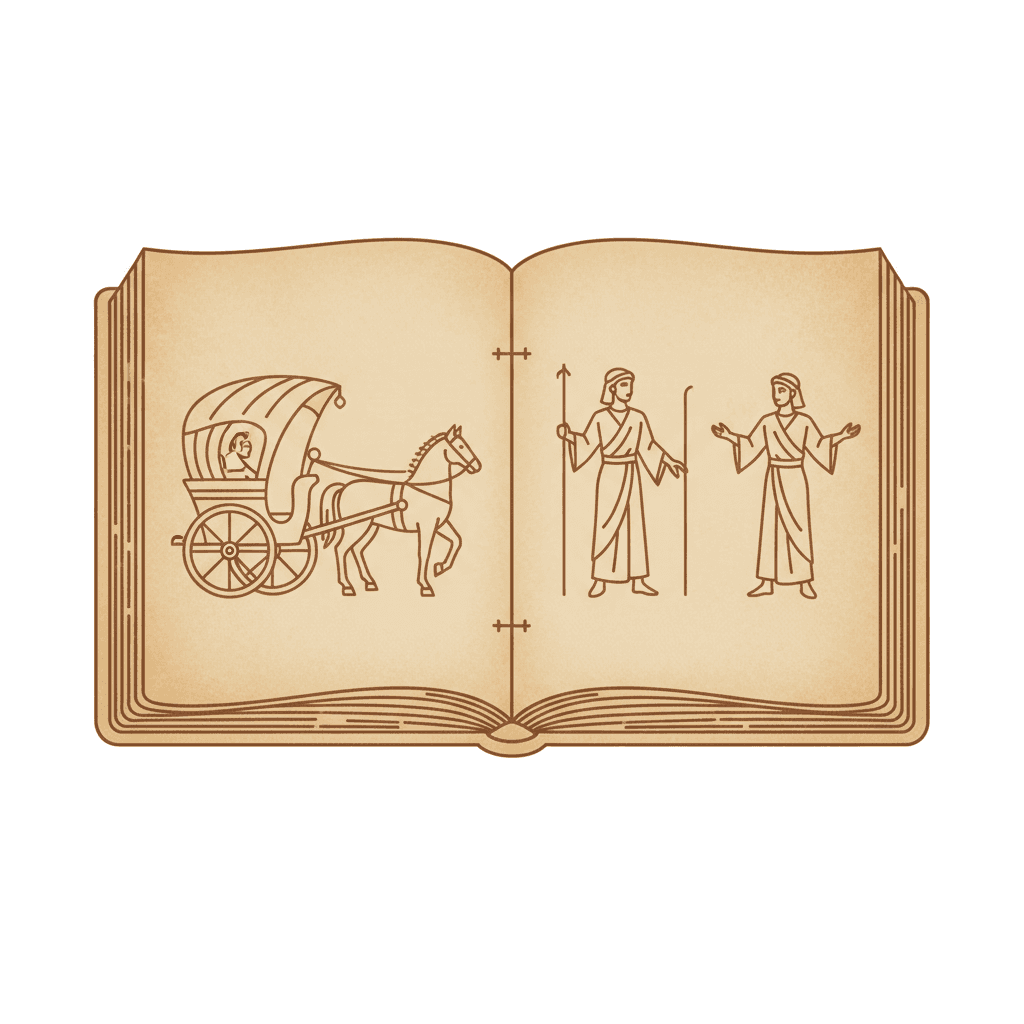
Arjuna is a warrior standing on a battlefield. He has to act, but he's paralyzed. Everything he thought he knew about duty, relationships, and identity has collapsed into confusion. He literally sits down and says: "I can't do this."
Sound familiar? Not the battlefield part — the paralysis. The moment when life demands action and you freeze because every option seems wrong.
What Kṛṣṇa Teaches
Kṛṣṇa's teaching to Arjuna addresses the exact questions modern people struggle with:

### "Who am I?"
Kṛṣṇa starts with the most fundamental teaching: you are not the body, not the mind, not the roles you play. You are ātman — consciousness that doesn't birth, doesn't die, isn't affected by any situation. This isn't escapism. It's the foundation that makes clear action possible.
### "What should I do?"
Karma Yoga: act according to your dharma (duty/nature), with excellence, but without attachment to results. You control the action. You don't control the outcome. Anxiety about results is the primary source of paralysis.
### "How do I deal with fear?"
The Gītā's answer is knowledge. Fear comes from ignorance about your nature. When you know you're indestructible consciousness, what is there to fear? This isn't denial of danger — it's freedom from the psychological grip of fear.
### "What about desire and attachment?"
Not eliminated — understood. Attachment (rāga) and aversion (dveṣa) color every perception and decision. The Gītā teaches how to recognize these patterns and act from clarity instead.
Why This Works Today
Modern life has different props — screens instead of chariots — but the fundamental human problems are identical:
- Anxiety about the future → Karma Yoga's focus on action over results
- Identity crisis → Ātman: you are not your job, relationship status, or bank account
- Decision paralysis → Dharma: clarity about your role and responsibilities
- Emotional reactivity → The Gītā's teaching on equanimity (samatvam)
- Existential emptiness → Self-knowledge as the resolution, not accumulation
How to Start
The Bhagavad Gītā has 18 chapters and 700 verses. Don't try to read it like a novel. Study it with a qualified teacher who can unfold the Sanskrit and show you what the words actually mean in context.
Start with chapters 1-3. The crisis, the teaching on ātman, and karma yoga. These three chapters alone can transform how you approach every situation in life.
Want to study Vedanta in depth?
Join a Study Group →