
Almost everyone who comes to Vedanta for the first time makes this confusion. "Vedanta is that Hindu philosophy, right?" It isn't. And the confusion isn't just semantic -- it hinders real study.
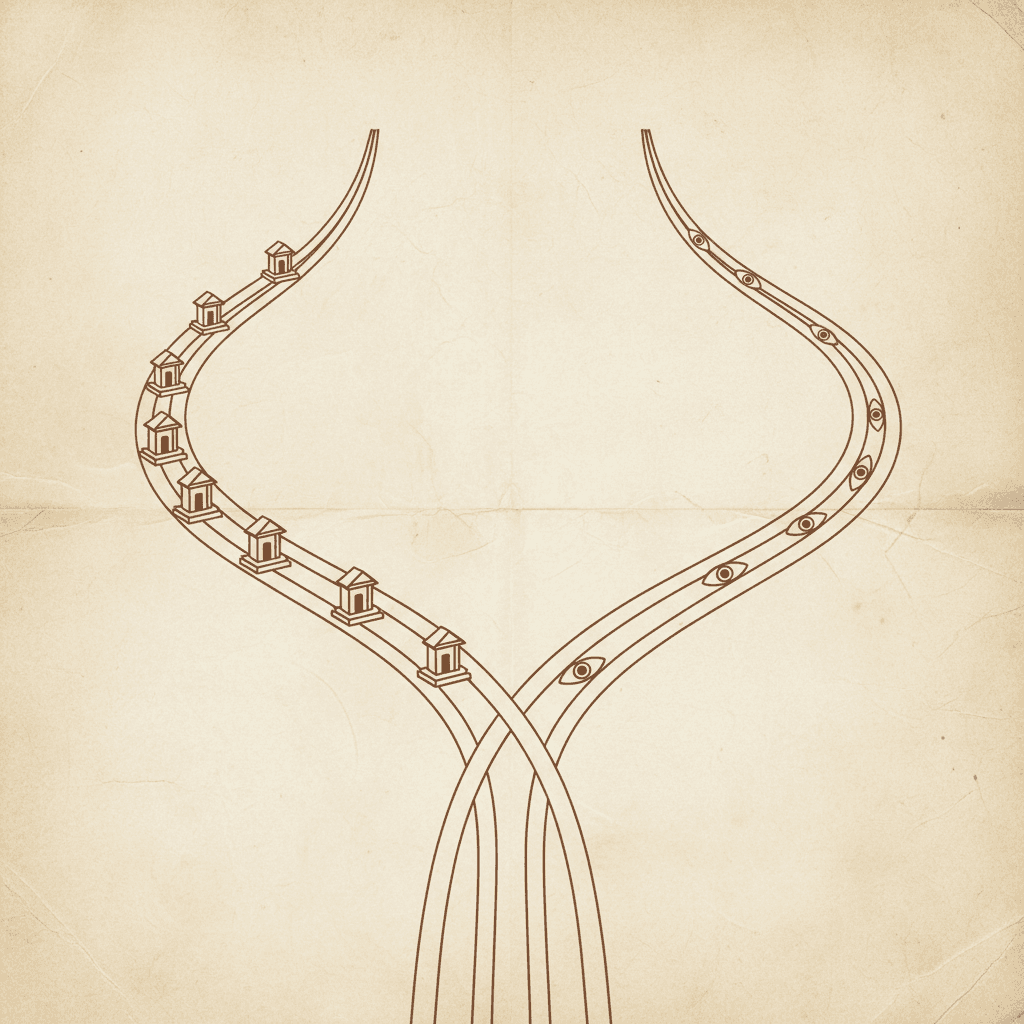
What is Hinduism?
"Hinduism" is an umbrella term created by outsiders -- first Persians, then the British -- to describe the collection of practices, beliefs, and traditions of the Indian subcontinent. Under this enormous umbrella, you find devotion to deities, temple rituals, castes, festivals, astrology, Ayurveda, Yoga, and also Vedanta.
Vedanta is within Vedic culture, but is not synonymous with it. Just as physics is within the university, but university is not synonymous with physics.
What is Vedanta?
Vedanta is specifically the final portion of the Vedas -- called Upanisads -- dealing exclusively with knowledge of the self (atman) and reality (Brahman).
It is not devotion. Not ritual. Not cultural. It is a means of knowledge.

When a traditional teacher teaches Vedanta, they are not asking you to worship Krsna, wear Indian clothes, or attend a Hindu temple. They are using words from the texts to reveal something about your nature -- which is independent of culture.
The real relationship
Vedanta doesn't deny Vedic culture. Tradition recognizes that rituals, devotion, and ethical practices are important preparation for study. But the knowledge itself doesn't depend on that ecosystem.
What this means for you
You don't need to become Hindu to study Vedanta. You don't need to change your name, wear tilaka, worship deities, or be vegetarian (though it's recommended for other reasons).
You need a prepared mind, willingness to study, and a [qualified teacher](/blog/estudar-vedanta-sozinho-ou-professor).
Respect for Vedic culture is important. It preserved Vedanta for thousands of years. But respecting is not confusing. The knowledge is universal. The packaging is cultural.
Want to study Vedanta in depth?
Join a Study Group →