
The word mantra has entered popular vocabulary, but its real meaning has been diluted. In the Vedic tradition, a mantra is not an affirmation, a wish, or a feel-good phrase. It is a precise sound formula with specific power.
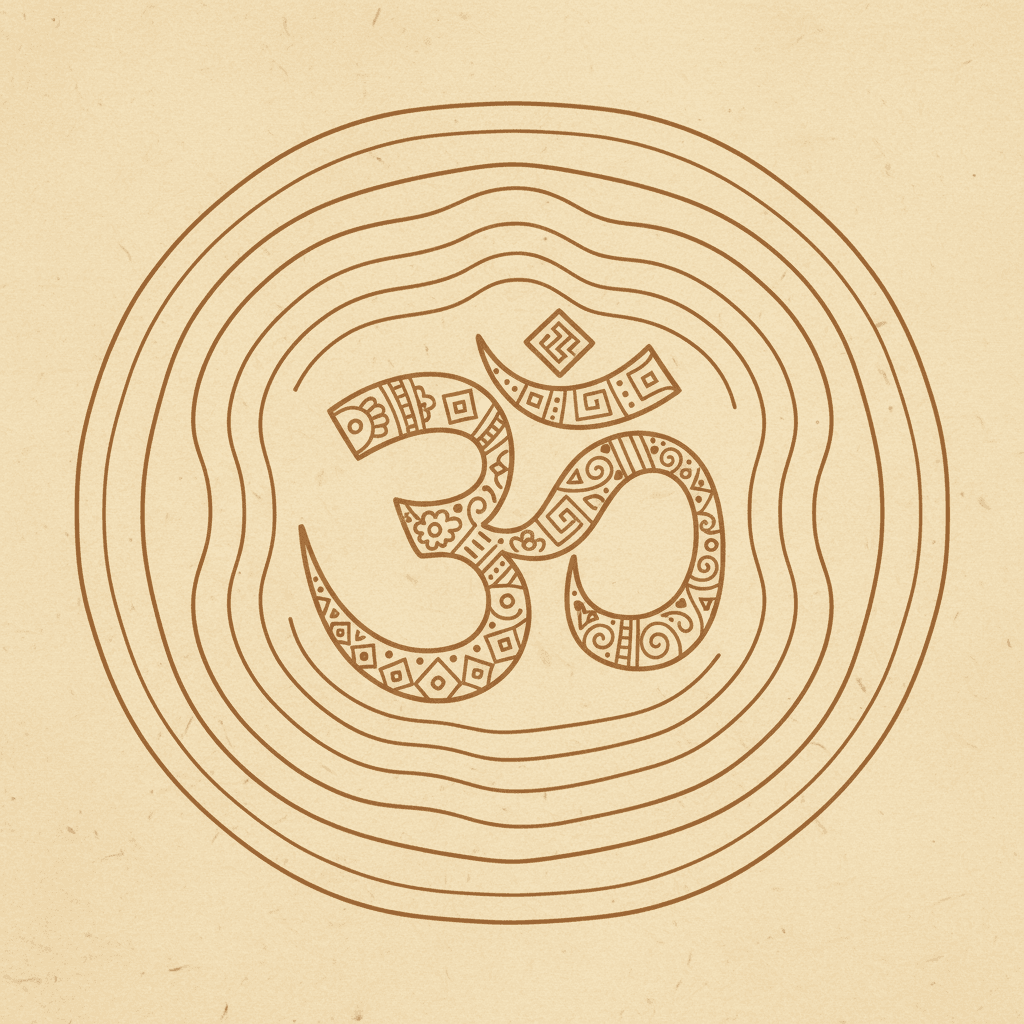
Etymology
Mantra derives from "man" (to think, mind) and "tra" (instrument, protection). A mantra is literally an instrument of the mind -- a tool that protects, directs, and transforms mental patterns.
How Mantras Work
In the Vedic worldview, sound (śabda) is not merely vibration in the air. Sound is the creative principle of the universe. The Vedas themselves are called śruti -- "that which was heard." The ṛṣis (sages) did not invent mantras. They received them through deep contemplation.

When a mantra is recited with correct pronunciation, rhythm, and understanding, it produces effects at the subtle level of consciousness. This is not belief -- it is the Vedic understanding of how reality is structured.
Types of Mantras
- Vedic mantras -- from the Vedas, used in rituals and meditation
- Bīja mantras -- seed syllables (Om, Hrīṃ, Śrīṃ) carrying concentrated power
- Stotras -- devotional hymns praising specific devatās
- Mahāvākyas -- great sentences of the Upaniṣads ("Tat tvam asi," "Aham Brahmāsmi")
Common Misconceptions
Mantras are not magic spells. They do not "manifest" material desires. They are not interchangeable decorations. And they should not be learned from YouTube without understanding context and pronunciation.
Practice
Start with Om. It is universal, safe, and profound. Sit quietly, repeat it mentally with attention, and observe the effect. For specific mantras, seek a qualified teacher. The tradition of receiving a mantra from a guru (mantra-dīkṣā) exists for good reason -- context, pronunciation, and attitude matter.
Want to study Vedanta in depth?
Join a Study Group →