
You want to relax. Your body is tense, your mind will not stop, and "just chilling" seems impossible. Normal. We live in a world that glorifies agitation.
Why It Is So Difficult
Your sympathetic nervous system (fight or flight) is chronically activated. Notifications, deadlines, traffic, social media -- everything keeps you on alert. Relaxing requires activating the parasympathetic system. And that does not happen with "good intentions."
Real Relaxation Technique
- 4-7-8 Breathing -- inhale for 4 counts, hold for 7, exhale for 8. Repeat 4 times. This activates the parasympathetic system almost instantly
- Progressive relaxation -- tense each muscle group for 5 seconds, then release. From feet to head
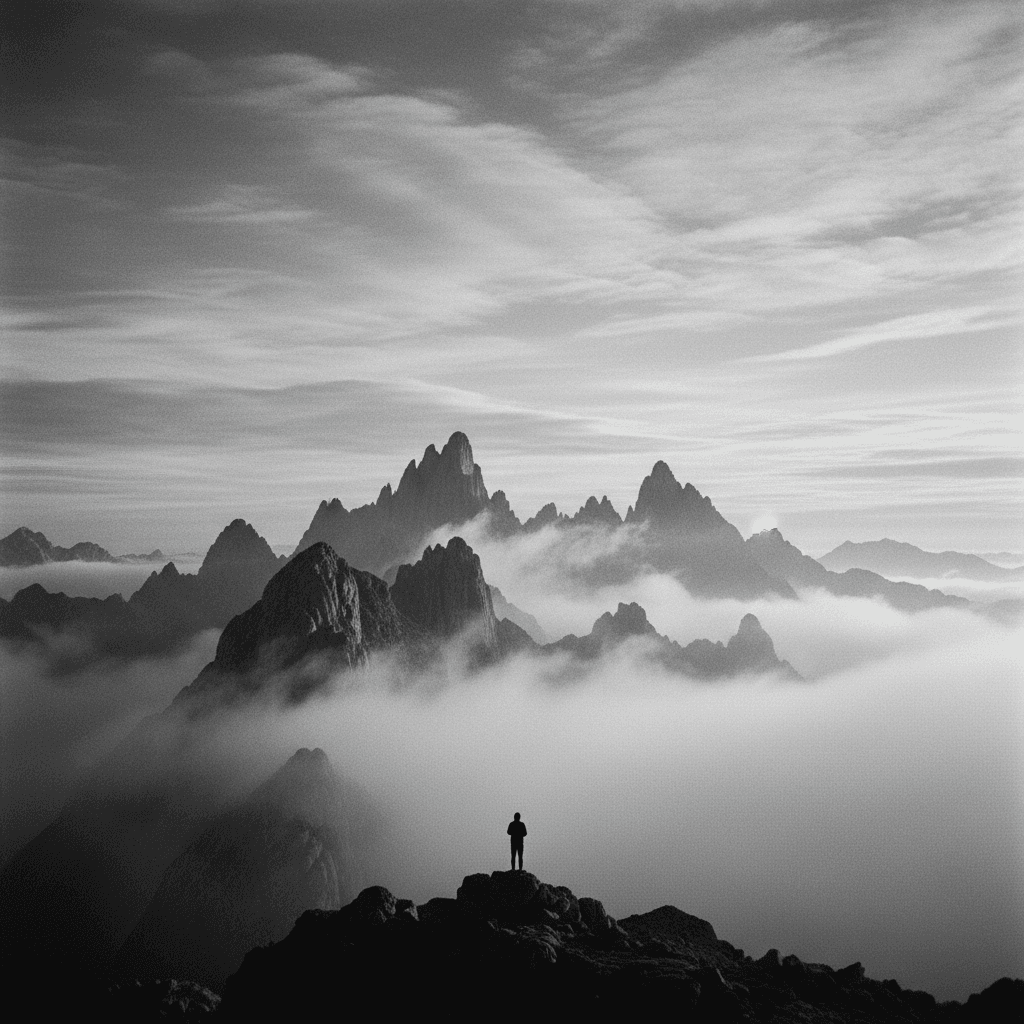
- Passive observation -- after relaxing the body, observe the mind without interfering. Thoughts come and go like clouds

The Difference Between Relaxing and Meditating
Relaxation is releasing physical and mental tension. It is necessary and good. But it is not meditation.
Meditation is directed and sustained attention. It may even generate initial tension (when you face thoughts you had been avoiding). But the relaxation that comes after meditation is deeper and longer-lasting.
Integrated Practice
The ideal approach is to combine: relaxation first (5 minutes), then meditation (10-15 minutes). Relaxation prepares the body. Meditation trains the mind.
With regular practice, you no longer need "relaxation techniques" -- your default state naturally becomes calmer.
Want to study Vedanta in depth?
Join a Study Group →