
From the outside, solitude and loneliness look identical: a person alone. But the internal experience is worlds apart.
Loneliness is the suffering of incompleteness. "I am alone and something is missing." Solitude is the peace of fullness. "I am alone and nothing is missing."
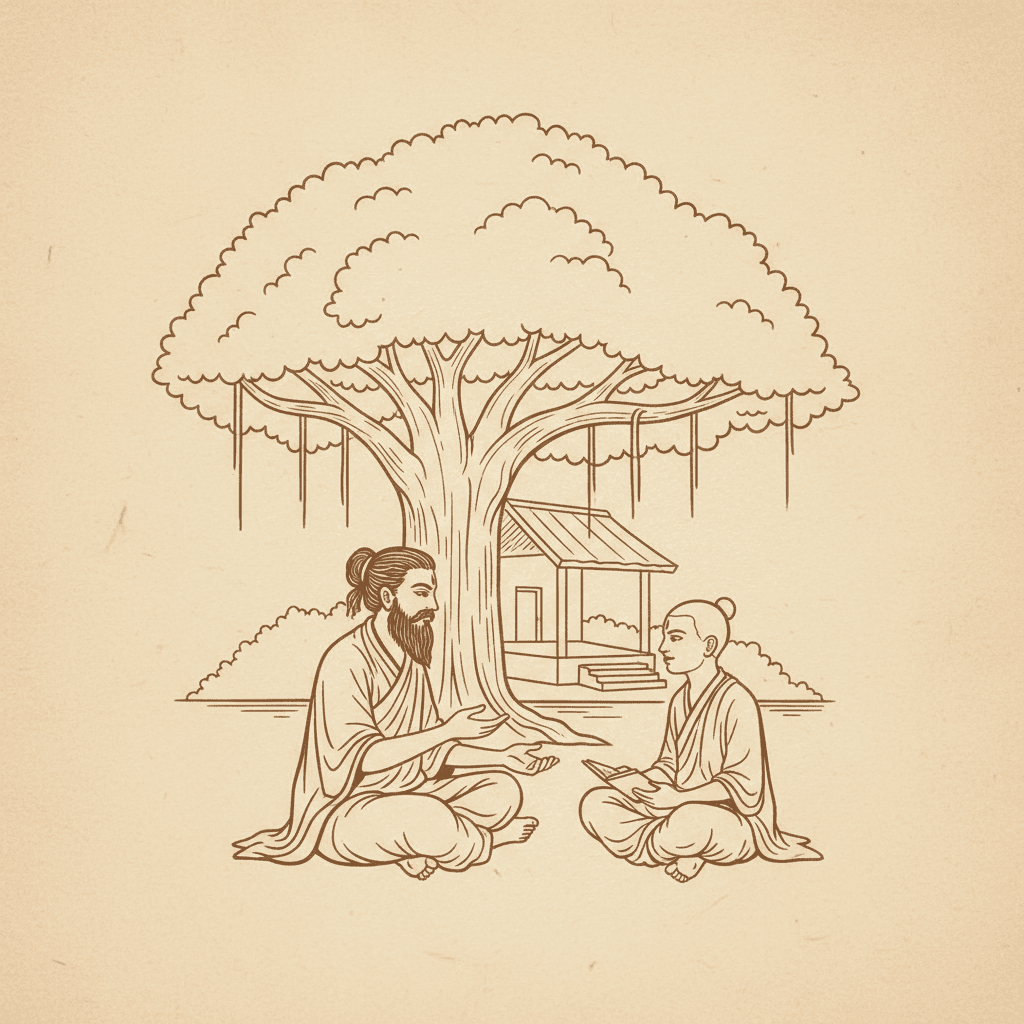
The Root Difference
In Vedānta, the difference comes down to one thing: self-knowledge.
The lonely person identifies with the body-mind -- a limited entity that needs connection to feel complete. When connection is absent, the incompleteness becomes unbearable.
The person in solitude knows themselves as ātman -- consciousness that is inherently whole. Connection is enjoyed but not required. Aloneness is not threatening because nothing is missing.
Why This Matters
Modern culture tries to solve loneliness with more connection: more social events, more dating apps, more followers. But if the root is self-ignorance, more connection just means more sophisticated avoidance.

Vedānta addresses the root. Once you know who you are, you can be alone without suffering and together without clinging.
Practical Wisdom
- If being alone causes anxiety, that is a signal -- not to find more company, but to investigate what you are avoiding about yourself
- Start small: 10 minutes of sitting quietly with no input
- Gradually increase. Notice the discomfort dissolve as you become familiar with your own presence
- Study Vedānta to understand why the discomfort was there in the first place
Want to study Vedanta in depth?
Join a Study Group →