
India is a real country with real problems -- not a spiritual theme park -- and understanding this before you go is what separates a transformative trip from a disappointment.
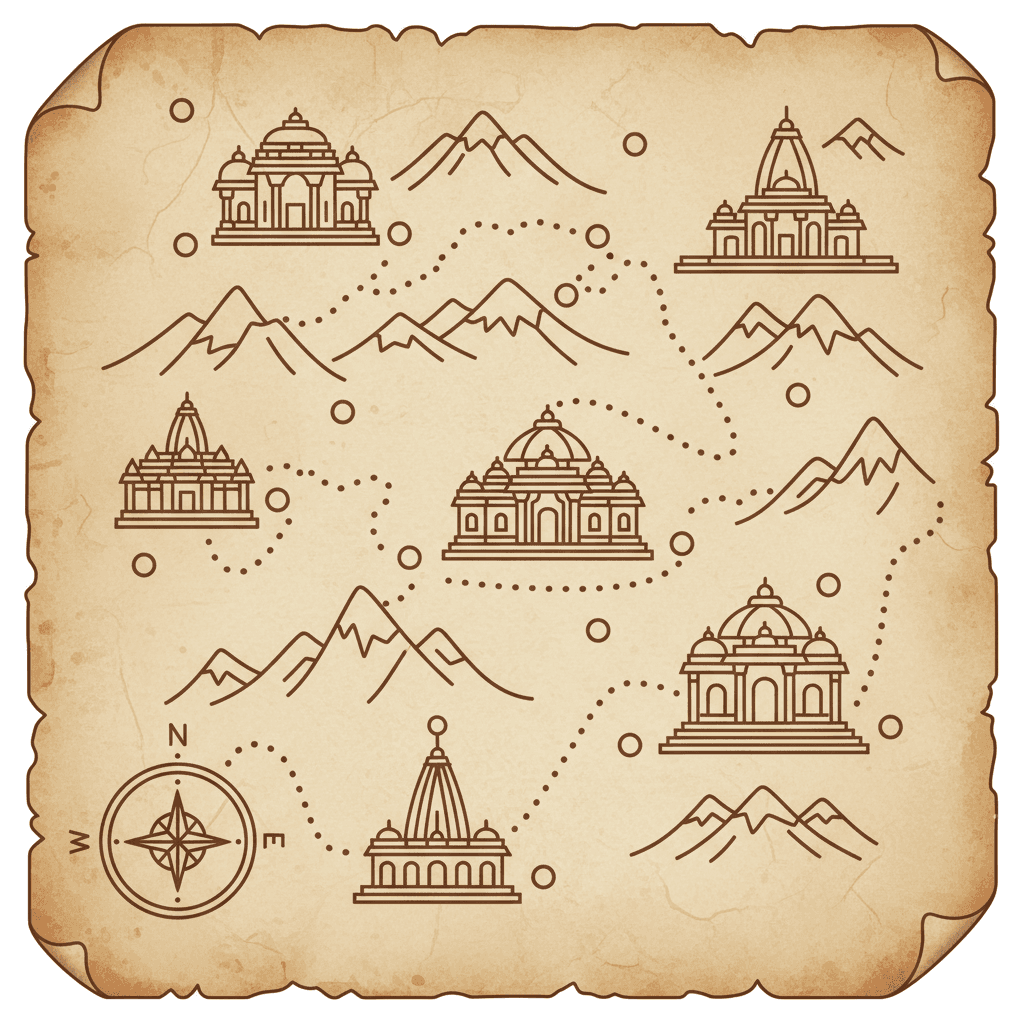
I get this question frequently: "Jonas, I want to go to India to study. What do I need to know?" And the honest answer is: more than you think. Not because India is dangerous or inaccessible, but because the expectations of those who go are usually calibrated by Instagram, Paulo Coelho, or Eat Pray Love.
The real India is something else. Deeper, more chaotic, more human, wiser -- and completely different from the Western fantasy.
First: why go?
Before planning the trip, define why you want to go. This changes everything -- destination, duration, budget, preparation.
Cultural tourism with a spiritual component: Visit temples, well-known ashrams, sacred places. Two to four weeks. Flexible itinerary.
Serious study of a tradition: Stay in an ashram or gurukulam for months, study with a teacher. Minimum of three months. Requires prior research on the teacher and lineage.
Personal retreat: Spend time in silence, meditation, reflection. One to four weeks at a specific location.
Most people mix all three -- and end up doing none well. If you want to study, commit to studying. If you want to be a tourist, tour without guilt. But don't pretend tourism is sādhanā.
Practical matters
Visa, health, money, climate -- all essential. October to March is the best time for most destinations. Always drink only filtered or boiled water.
Destinations for spiritual study
Rishikesh -- the "yoga capital of the world." On the banks of the Ganges. Good for introduction to yoga and meditation. Note: spiritual tourism has massified the place considerably.
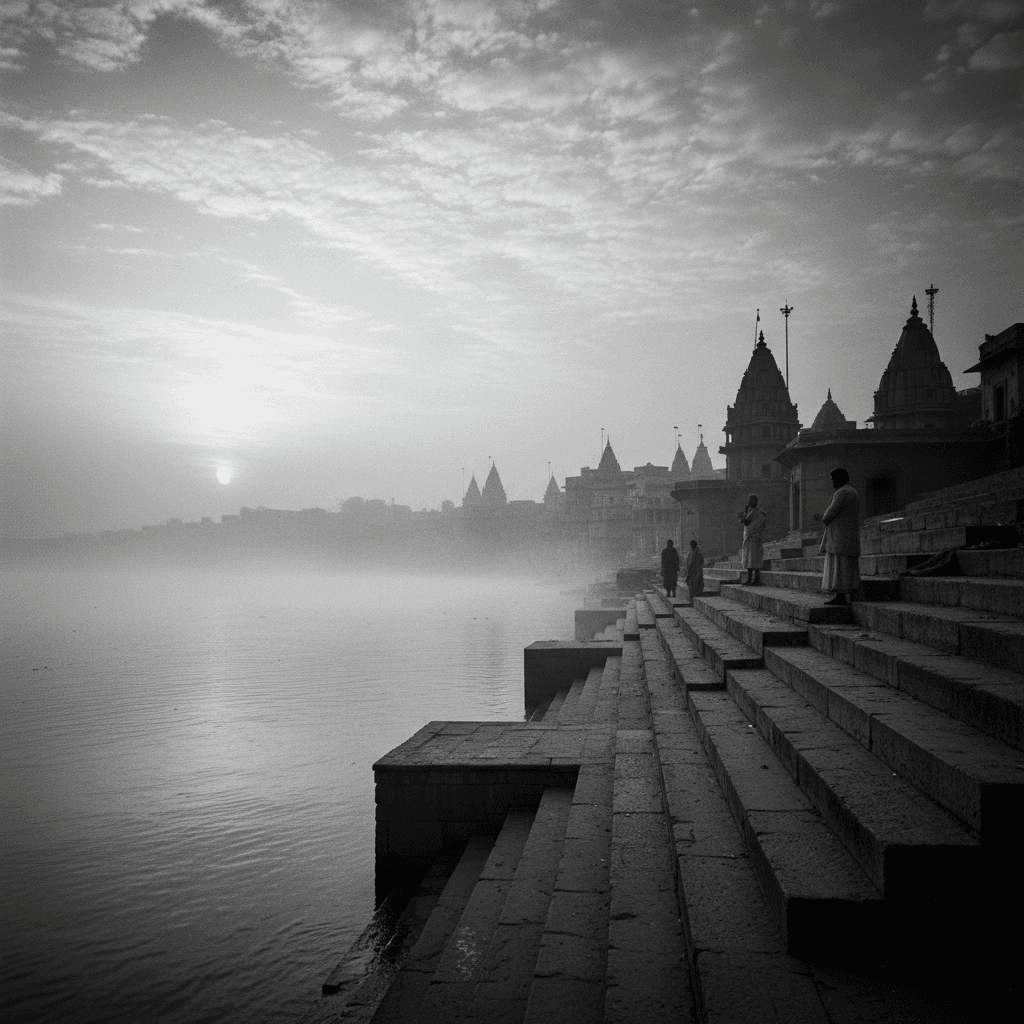
Varanasi -- the oldest continuously inhabited city in the world. Intense, chaotic, sacred. The ghats on the Ganges at dawn change your perspective on life and death.
Tamil Nadu (South India) -- for those seeking traditional Vedānta and Sanskrit. The south is calmer, more vegetarian, more traditional.
Tiruvannamalai -- Mount Arunachala. Associated with Ramana Maharshi. A place of silence and introspection.
Ashrams: what to expect
An ashram is not a spa hotel. It is a place of practice. Expect waking at 4-5am, rigid routine, simple vegetarian food, basic accommodation, silence periods, and rules against alcohol, smoking, and noise.
This is intentional. External simplicity helps internal quietude. If you want comfort, stay in a hotel. If you want transformation, accept the discomfort.
### How to choose an ashram
- Research the lineage. Who is the guru? What is the tradition?
- Talk to people who have been. Real reports are worth more than nice websites.
- Beware of promises. "Enlightenment in 10 days" -- run.
- Check costs. Traditional ashrams charge little or nothing.
- Observe ethics. [Does the teacher live what they teach?](/blog/por-que-precisamos-de-guru-vedanta)
Culture shocks that will happen
Prepare for noise, visible poverty, different relationship with time, sensory intensity, and genuine hospitality.
What NOT to do
- Don't go without research
- Don't idealize. Not every sādhu is wise. Use [discernment (viveka)](/blog/viveka-discernimento-vedanta)
- Don't disrespect customs
- Don't collect gurus. If you went to study with someone, study
- Don't use drugs
The longest journey
At bottom, the real spiritual journey is not to India -- it's into yourself. India can facilitate this. The land, the tradition, the teachers, the culture -- everything conspires for you to stop, look inward, and ask: [who am I?](/blog/atman-brahman-diferenca)
But if you don't ask this question seriously, India will be just another tourist destination -- beautiful, exotic, and forgettable.
Go prepared. Go with humility. And go willing to be changed by what you find -- including what you find in yourself.
Want to study Vedanta in depth?
Join a Study Group →