
Learn trataka - the ancient yogic concentration practice of steady gazing that develops focus, purifies the mind, and strengthens intuition.
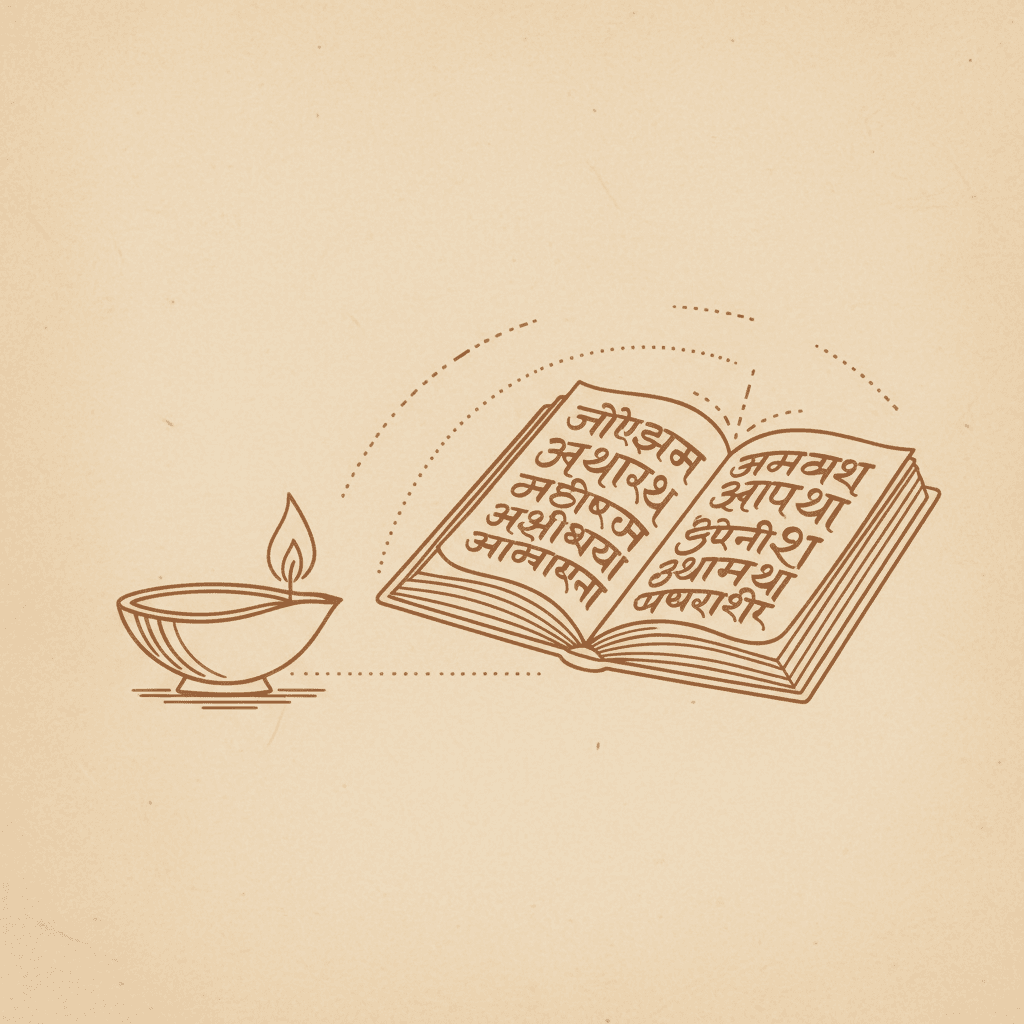
Trataka Meditation
Meditation is one of the most discussed yet least understood spiritual practices in the modern world. While it has become mainstream through apps and wellness programs, its original purpose and depth in the Vedic tradition goes far beyond stress reduction.
### What Meditation Really Is
In the Vedic tradition, meditation (dhyana) is sustained attention directed toward a specific object or understanding. It is not the absence of thought but the focused presence of awareness.
The Bhagavad Gita describes the meditative mind as "a flame in a windless place" — steady, unwavering, fully present.
### Types of Meditation in the Vedic Tradition
Saguna Meditation: Meditation on a form — a deity, a flame, a mantra with specific qualities. This develops concentration and devotion.
Nirguna Meditation: Meditation without form — resting in pure awareness itself. This is the culmination of practice, not the starting point.
Vedantic Meditation: Not technique-based but understanding-based. The meditator contemplates understood truths about the nature of the self and reality.
The Practice
### Preparation - Choose a quiet, consistent location - Sit comfortably with spine erect - Set a reasonable duration (begin with 15-20 minutes) - Practice at the same time daily, preferably morning

### During Practice 1. Settle the body with a few deep breaths 2. Set your intention — what is the purpose of this session? 3. Engage the chosen method — mantra, breath awareness, or contemplation 4. When the mind wanders (it will), gently return to the practice 5. Close mindfully — do not rush back into activity
### After Practice - Sit quietly for a few moments - Notice any changes in mental state - Carry the quality of attention into daily activities
Common Obstacles
Restlessness: The mind is habituated to constant stimulation. Restlessness is normal and decreases with consistent practice.
Drowsiness: Often confused with meditation. If you are falling asleep, you are not meditating. Adjust posture, timing, or environment.
Expectations: Seeking special experiences prevents genuine meditation. The goal is clarity, not fireworks.
Inconsistency: The most common obstacle. A short daily practice vastly outperforms occasional long sessions.
The Vedantic Perspective
In Vedanta, meditation serves a specific function: it prepares and steadies the mind to receive self-knowledge. Meditation itself does not reveal your true nature — for that, you need systematic teaching (Vedanta). But meditation creates the mental conditions in which teaching can be effectively received.
Think of meditation as cleaning the mirror so it can reflect clearly. The mirror is the mind; what it reflects is the truth about yourself.
Benefits
### Immediate - Reduced mental agitation - Improved focus and clarity - Greater emotional stability
### Medium-term - Deeper self-awareness - Better decision-making - More authentic relationships
### Long-term - Fundamental shift in relationship to thoughts and emotions - Growing sense of inner peace independent of circumstances - Readiness for self-knowledge
Integration with Daily Life
True meditation is not limited to formal sitting practice. It extends into every moment: - Bringing full attention to conversations - Performing daily tasks mindfully - Observing emotional reactions without being carried away - Maintaining awareness of the present moment
Conclusion
Meditation is a powerful tool for mental purification and spiritual growth. When practiced consistently and with proper understanding, it transforms the quality of your inner life and prepares you for the deepest self-knowledge.
But remember: meditation is a means, not an end. The ultimate goal is to recognize the consciousness that is always present — whether the mind is agitated or still, whether you are in formal meditation or in the middle of a busy day.
*To develop a meditation practice grounded in traditional understanding, explore our [Vedanta courses](/) for guided study and practice.*
Want to study Vedanta in depth?
Join a Study Group →