
When someone asks "what is self-knowledge?", they usually expect an answer like: "it is knowing your strengths and weaknesses." That is not self-knowledge. That is psychological self-analysis -- useful, but radically different from what the Vedic tradition teaches.

The Real Definition
Self-knowledge (atma-jnanam) is the direct knowledge of your fundamental nature. It is not knowing that you are "anxious" or "determined." It is discovering what you are before any quality, before any role, before any thought.
You are consciousness (cit). You are existence (sat). You are fullness (ananda). This is not poetry -- it is what the Upanisads have been teaching systematically for thousands of years.
Why the Popular Definition Is Wrong
The popular definition treats self-knowledge as a personal inventory: "I am impatient, I like coffee, I am afraid of heights." All of this is about the person -- the role, the personality, the body-mind. Vedanta does not deny that this exists. But it says: this is not you. You are what witnesses all of this.
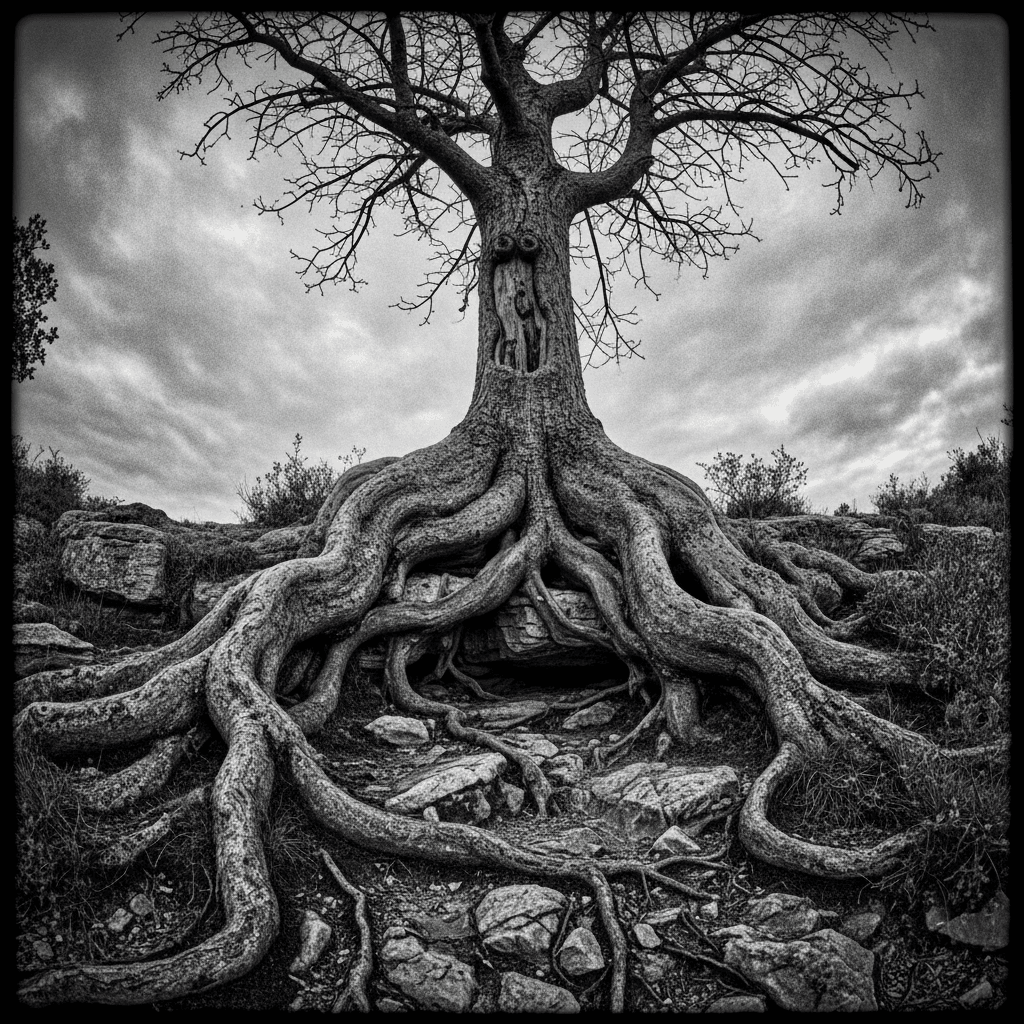
It is like confusing the actor with the character. The actor can play a thousand different characters -- but remains the actor.
How to Begin Real Self-Knowledge
The traditional path is clear:
- Prepare the mind -- karma-yoga and values (sadhana-catustaya)
- Study with a teacher -- Vedanta is not self-taught
- Listen to the teaching (sravanam) -- systematically, not fragmented
- Reflect (mananam) -- resolve doubts with the teacher
- Assimilate (nididhyasanam) -- live what you understood
Self-Knowledge Changes Everything
When you know who you are, insecurity drops. Fear diminishes. Not because you "worked through your emotions" -- but because you discovered you are greater than all of them.
Want to study Vedanta in depth?
Join a Study Group →