
Brahman is the most important word in Vedānta. And probably the most misunderstood. It is not a god, it is not an energy, it is not the universe. It is the reality that sustains all of it.
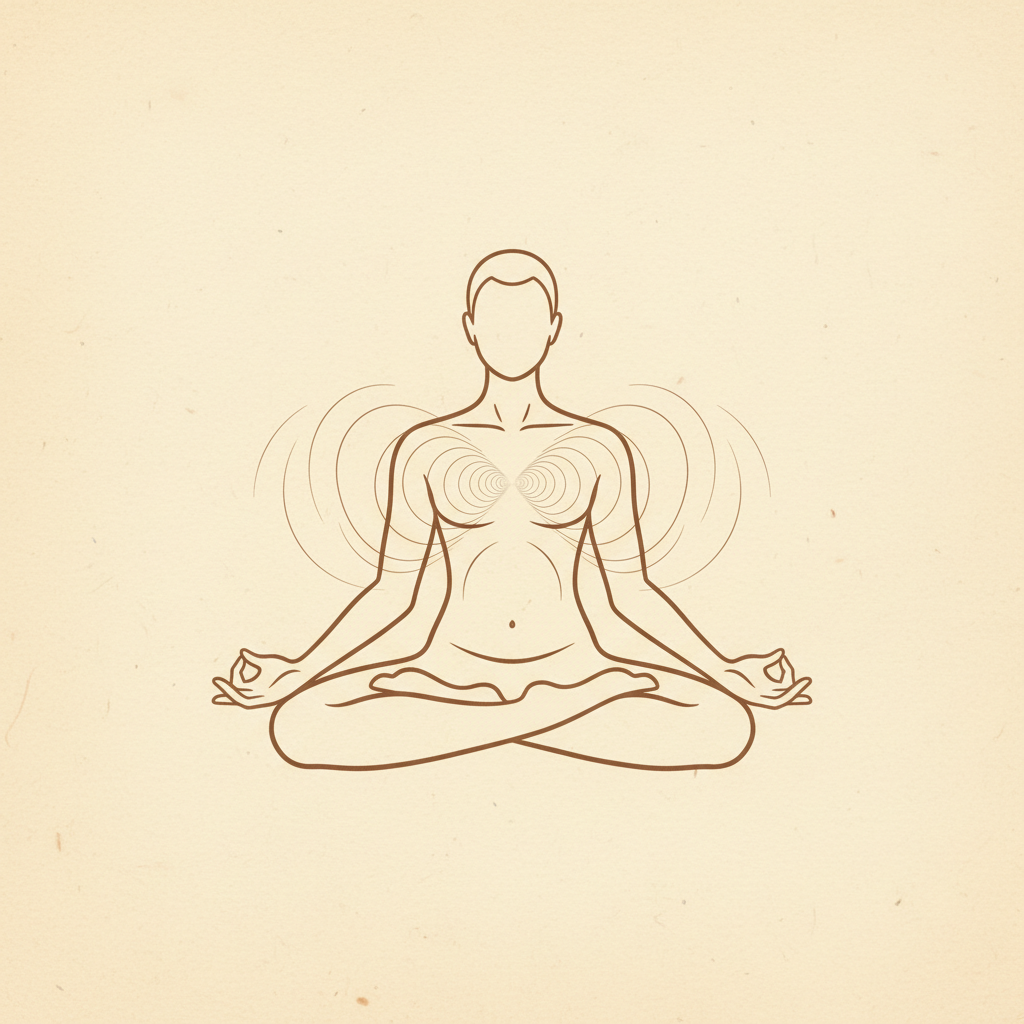
The Word Brahman
Brahman comes from the root "bṛh", which means "great" or "that which expands limitlessly". Brahman is that which is infinite — without borders, without beginning, without end.
Do not confuse it with Brahmā (the creator in mythology) or with brāhmaṇa (the social class). They are different words with different meanings.
What Vedānta Says About Brahman
The Upaniṣads define Brahman as sat-cit-ānanda:

Sat (existence): Brahman exists. It is not something that arose and can cease to exist. It is existence itself — that by which all else exists.
Cit (consciousness): Brahman is conscious. Not consciousness of something — pure consciousness, the capacity to illuminate all experience. Without consciousness, nothing can be known.
Ānanda (fullness): Brahman is complete. Nothing is lacking, nothing is in excess. Fullness is not pleasure — it is the total absence of lack.
Brahman and the World
A natural question: if Brahman is everything, what is the world? Vedānta answers with the concept of mithyā — the world is not separate from Brahman, but it is also not identical to it in the way it appears.
The world is Brahman appearing as the world, just as gold appears as different jewels. The jewel has a name and form, but the substance is always gold.
Brahman and Ātman
The central revelation of Vedānta: Brahman and ātman are identical. Absolute reality and your innermost being are the same thing. Tat tvam asi — "You are that."
This is not a belief. It is what the Upaniṣads systematically reveal, verse after verse, until understanding is established.
Want to study Vedanta in depth?
Join a Study Group →