
Almost everyone who encounters Vedanta for the first time makes this confusion. "Vedanta is that Hindu philosophy, right?" It is not. And the confusion isn't just semantic—it hinders actual study.
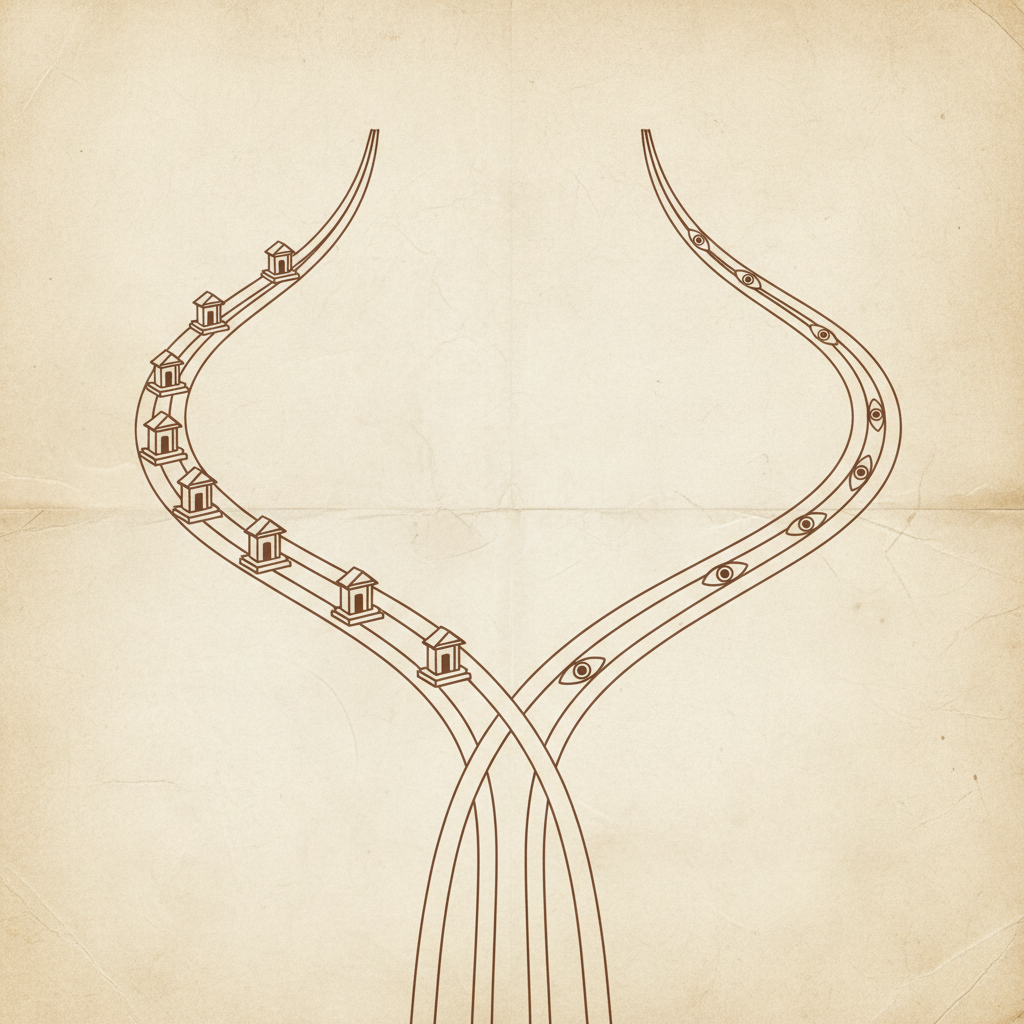
I will explain the difference clearly.
What is Hinduism?
"Hinduism" is an umbrella term. It was created by foreigners—first Persians, then the British—to describe the set of practices, beliefs, and traditions of the Indian subcontinent.
Within this enormous umbrella, you find: - Devotion to deities (Vishnu, Shiva, Devi, Ganesha...) - Temple rituals (puja) - Castes and social rules - Festivals (Diwali, Holi, Navaratri) - Astrology (jyotiṣa) - Ayurveda - Yoga (in all its forms) - And also Vedanta
In other words: Vedanta is part of Vedic culture, but it is not synonymous with it. Just as physics is part of the university, but the university is not synonymous with physics.
What is Vedanta?
Vedanta is specifically the final portion of the Vedas—called the Upanishads—which deals exclusively with the knowledge of the self (ātman) and reality (Brahman).
It is not devotion. It is not ritual. It is not cultural. It is a means of knowledge.
When a traditional teacher teaches Vedanta, they are not asking you to worship Kṛṣṇa, wear Indian clothes, or frequent a temple. They are using words from the texts to reveal something about your nature—which is independent of culture.

Why the Confusion?
Several reasons:
- Cultural context. Vedanta was born in India, and Vedic culture is the soil from which it sprouted. The examples used in the texts are culturally Indian. But the content is universal.
2. Teachers who mix. Some teachers mix Hindu devotion with Vedanta without distinguishing what is what. Then the student thinks they need to "be Hindu" to study.
3. The West generalizes. From a Western perspective, anything with Sanskrit terms is "a Hindu thing." It's like calling all classical music "church music" just because most of it was composed for churches.
4. Spiritual marketing. Many centers in the West sell "Hinduism" as a package—meditation, mantras, puja, Vedanta—all together. The student doesn't know how to separate what is what.
The Real Relationship Between the Two
Vedanta does not deny Vedic culture. In fact, the tradition recognizes that rituals, devotion, and ethical practices are important preparation for study.
The traditional path is: 1. Dharma—ethics and values (karma-yoga) 2. Upāsanā—meditation and devotion (mental preparation) 3. Jñāna—knowledge (Vedanta proper)
So, Vedic culture is not an "enemy" of Vedanta. It is the ecosystem that nourishes the soil where knowledge can flourish. But the knowledge itself does not depend on this ecosystem.
What Does This Mean for You?
It means you don't need to become Hindu to study Vedanta. You don't need to: - Change your name - Wear tilaka on your forehead - Worship deities - Be vegetarian (although it is recommended for other reasons) - Go to Hindu temples
You need a prepared mind, a willingness to study, and a qualified teacher.
Respect Without Confusion
Respecting Vedic culture is important. It has preserved Vedanta for thousands of years. Without the pandits, the gurukulas, and the oral tradition, this knowledge would have been lost.
But respecting is not confusing. You can be grateful to Indian culture without needing to adopt it as your own. The knowledge is universal. The packaging is cultural.
In Summary
| | Hinduism | Vedanta | |---|---|---| | What is it? | Set of cultural and religious practices | Means of knowledge about the self and reality | | Requires faith? | Yes (devotion, rituals) | No (inquiry and understanding) | | Is it cultural? | Yes | The content, no | | Need to be Indian? | No | No |
If you want to better understand how Vedanta positions itself in relation to other traditions, also read: Is Vedanta a religion? Can I practice it as a Christian or atheist?
Want to study Vedanta in depth?
Join a Study Group →