
Fear is universal. Every human being feels it. Fear of loss, fear of failure, fear of death, fear of not being enough. The question isn't whether you feel fear – it's where it comes from and how to resolve it.
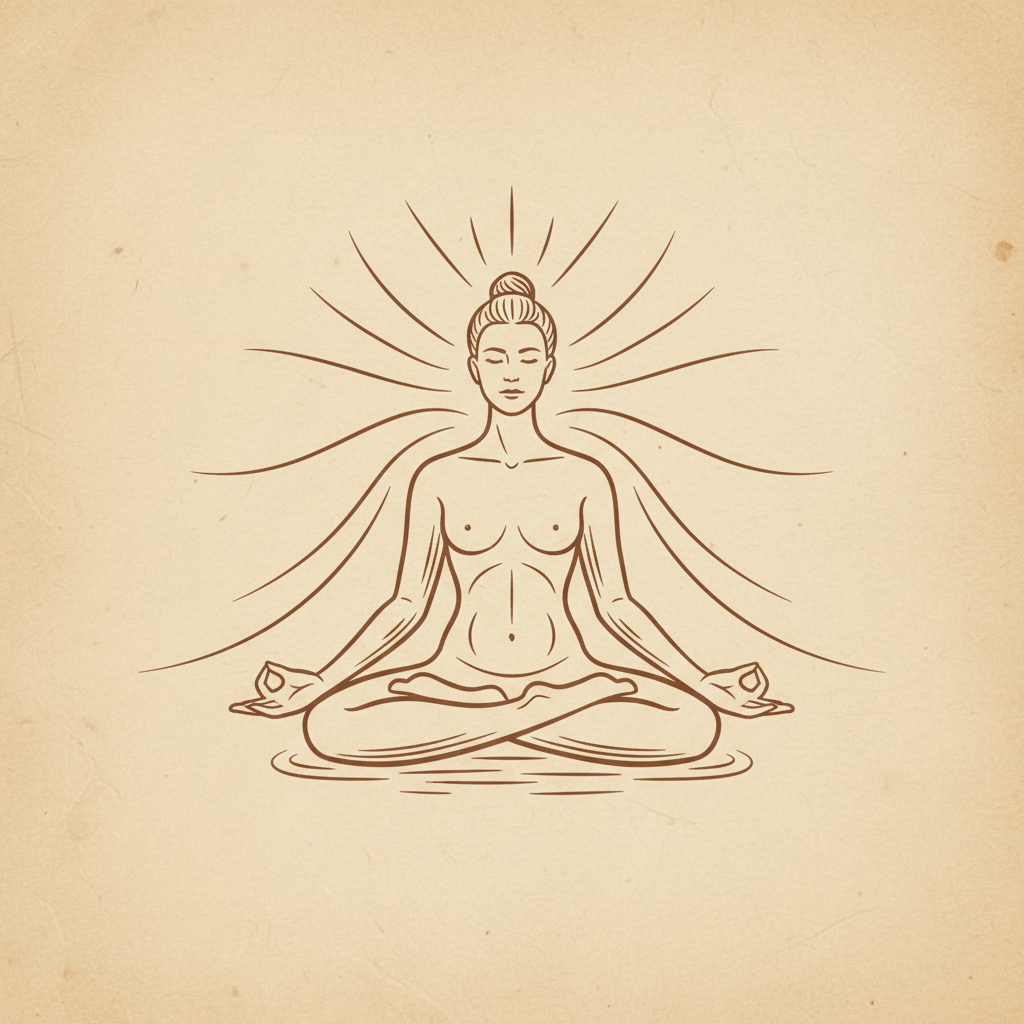
Where Fear Comes From
Vedānta is very precise about this. In the Taittirīya Upaniṣad (2.7) it is written: "atha so 'bhayaṃ gataḥ" – when one knows Brahman, one becomes free from fear.
The implication is clear: fear comes from ignorance. Specifically, from the feeling of being small, separate, and vulnerable.
When you identify with the body, you fear illness and death. When you identify with the mind, you fear failure and rejection. When you identify with possessions, you fear loss.
Why Courage Isn't the Solution
Courage is useful, but it's not a permanent solution. Courage is feeling fear and acting anyway. The fear remains – you just overcome it momentarily.

Vedānta proposes something more radical: removing the cause of fear. If fear comes from feeling limited, and you discover that you are not limited, fear loses its foundation.
Knowledge as the Antidote
When you discover that you are ātman – unlimited consciousness, which is not born and does not die – existential fear dissolves. Not because you convince yourself of something, but because you see that the fear was based on a confusion about who you are.
This doesn't happen overnight. It requires consistent study, deep reflection, and emotional maturity. But it is possible – and it is resolutive.
In Practice
While the knowledge matures, practices help:
* Karma Yoga – acting without attachment to the result reduces the fear of failure * Prayer – connecting with Īśvara reduces the feeling of being alone * Study – each understanding diminishes the ignorance that fuels fear
Fear is not your enemy. It is a sign that there is something about yourself that has not yet been understood.
Want to study Vedanta in depth?
Join a Study Group →