
"It's karma." This phrase has become an excuse for everything: from bad luck in traffic to serious illness. But karma, in its original sense, is much more precise than pop culture suggests.

What Karma Really Is
Karma = action. Literally. The Sanskrit root "kṛ" means "to do." Karma is simply: every action produces a result.
It's not magic. It's natural law. Plant a seed, grow a plant. Act with kindness, reap respect. Act with violence, reap conflict.
What Karma Is NOT
It's not destiny — you have freedom of action (puruṣārtha) It's not divine punishment — it's a natural consequence It's not an excuse — "it's my karma" doesn't justify inaction It's not transferable — no one "pays" karma for you
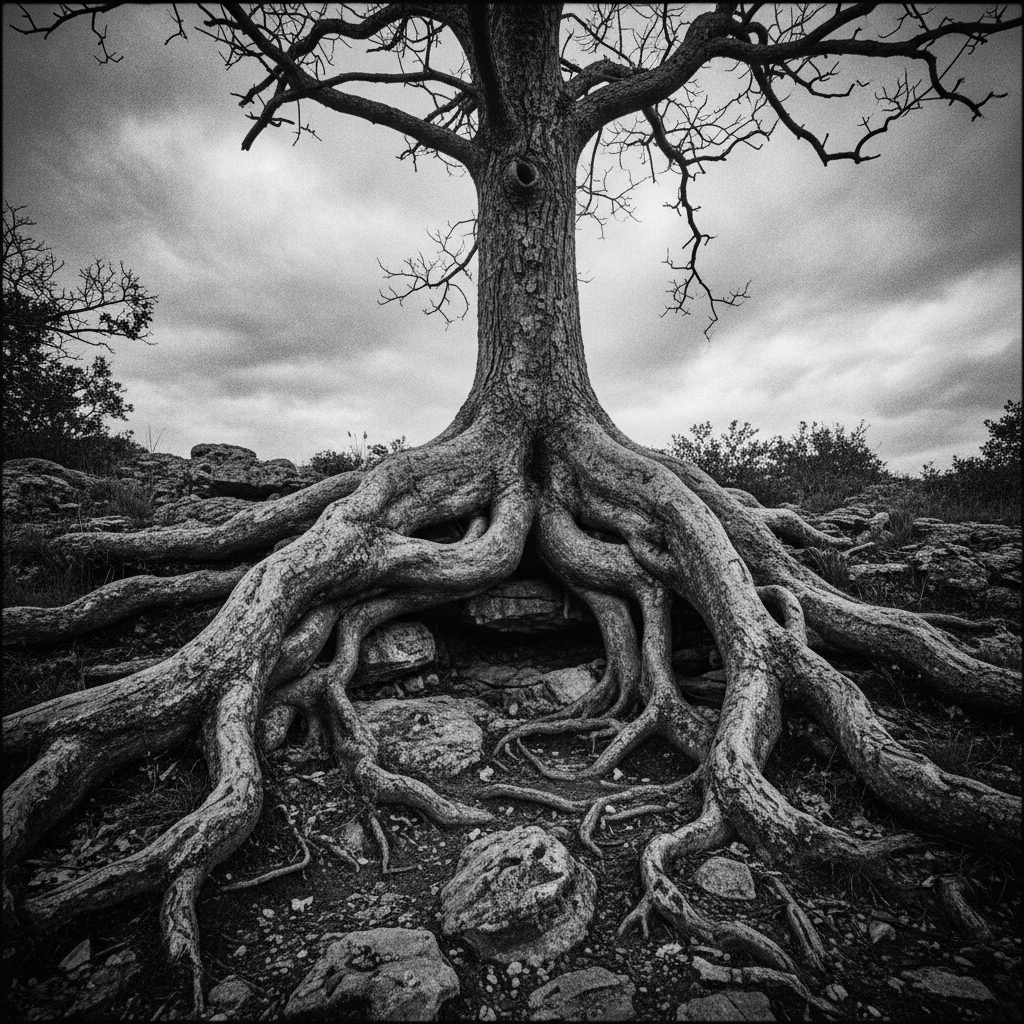
The Three Types
Sañcita karma — the accumulated total of all past actions Prārabdha karma — the portion that is currently fructifying (this life) Āgāmi karma — the karma being created by present actions
Freedom and Karma
You don't control Prārabdha — it's already in motion. But Āgāmi is in your hands. Every action now creates future results. This is your freedom.
Beyond Karma
Vedānta teaches that the ultimate goal is not to accumulate good karma — it is to transcend karma completely. This happens through self-knowledge: when you know that you are ātman (consciousness), karma belongs to the body-mind, not to you.
Want to study Vedanta in depth?
Join a Study Group →