
You don't need experience to meditate. In fact, "not knowing" is an advantage — fewer preconceptions, more openness.
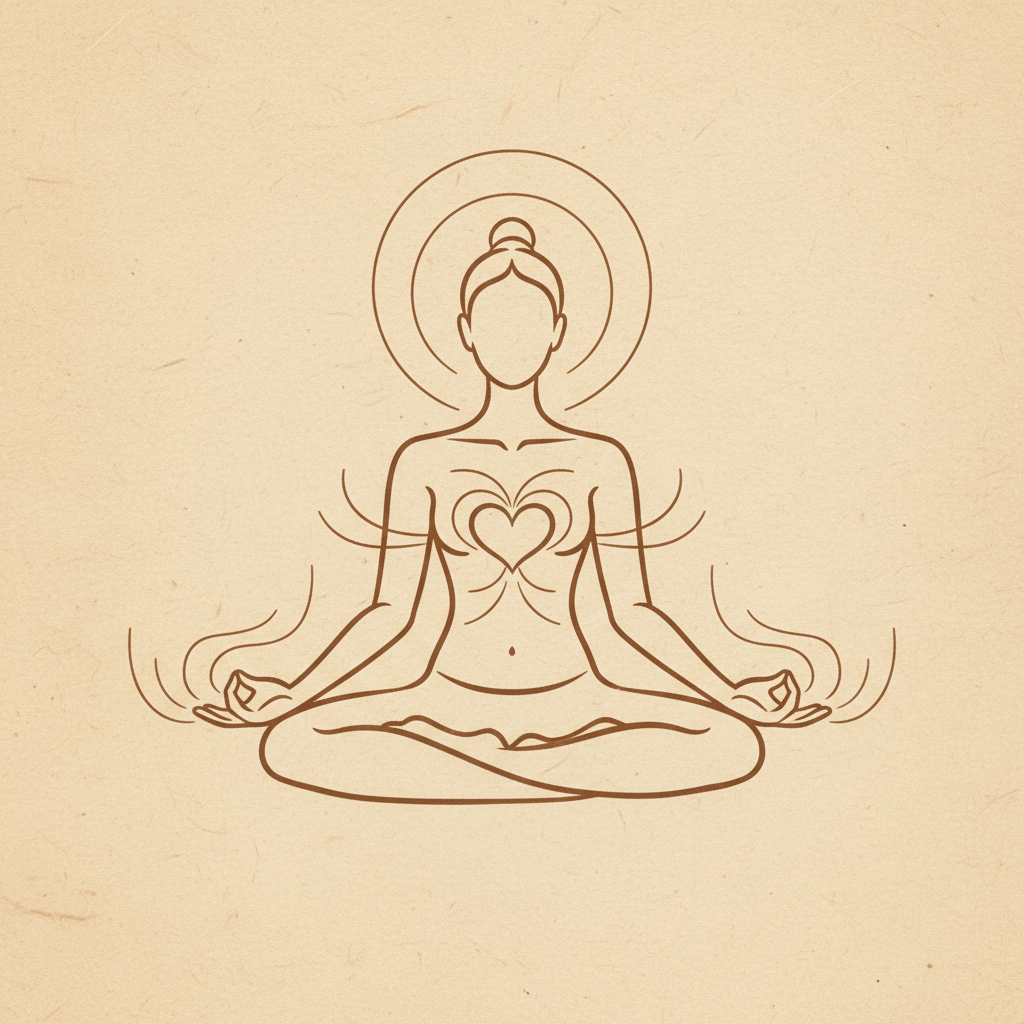
What meditation (really) is
Forget what you've seen on Instagram. Meditation is not: - Stopping thoughts - Floating on clouds - Having mystical experiences - Staying in the lotus position
Meditation is sustained attention. That's it. You choose an object (breath, sound, sensation) and keep your attention on it. When the mind wanders — and it will wander — you bring it back. Without judgment.
Practical guide for beginners
Step 1: Choose a quiet place Step 2: Sit comfortably (a chair works) Step 3: Close your eyes Step 4: Observe your natural breath Step 5: When you notice you've been distracted, come back Step 6: Start with 5 minutes. Increase gradually.

Common beginner mistakes
- Expecting immediate results — meditation is like physical exercise: the effect comes with practice
- Fighting against thoughts — thoughts are not the problem; identification with them is
- Seeking special experiences — the deepest meditation is the simplest
- Giving up too soon — the first sessions are the most difficult; it's normal
What Vedanta says
In the Vedic tradition, meditation (dhyana) is the seventh of the eight limbs of Patanjali's Yoga. It's not the first step — it's the result of preparation. But every great path begins with the first step, and sitting and observing is that first step.
Don't complicate it. Start today. 5 minutes. Now.
Want to study Vedanta in depth?
Join a Study Group →