
Chakra meditation is everywhere. Aligning, opening, balancing. Colors, crystals, frequencies. But how much of this is tradition and how much is modern invention?
What Are Chakras
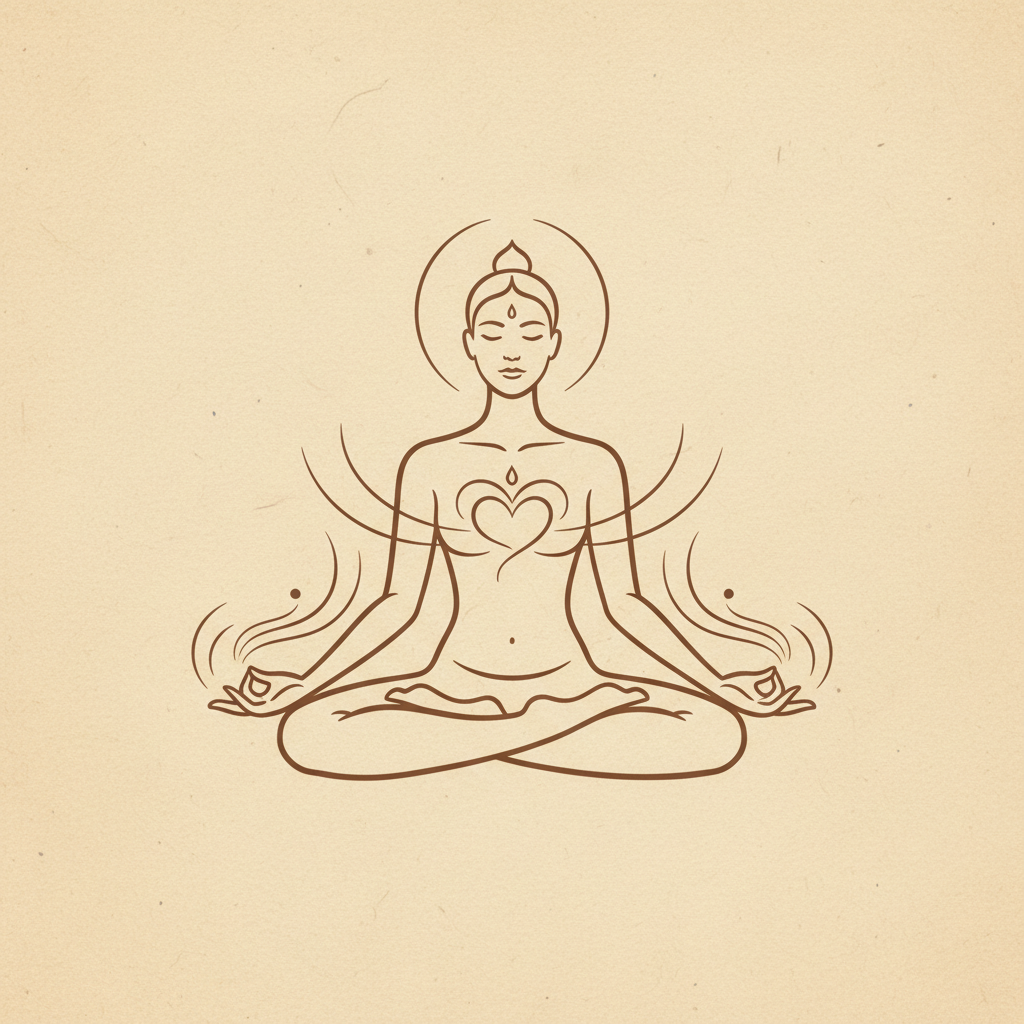
Chakras are energy centers (prāṇa) in the subtle body (sūkṣma śarīra). Tradition recognizes seven main ones, located along the spine—from the mūlādhāra (base) to the sahasrāra (top of the head).
This is a real concept in tradition. It appears in Haṭha Yoga and Tantra texts, and has relevance in understanding the body's energetic system.
What Has Been Distorted
The problem is that pop culture has taken this concept and turned it into something the original texts wouldn't recognize. Chakras have become:

Personality indicators ("your heart chakra is blocked") Objects of consumption (guided meditations to "open" chakras) Emotional diagnostic systems
None of this is in the traditional texts.
Vedānta and Chakras
Vedānta does not emphasize chakras. Why? Because chakras belong to the subtle body—and the subtle body is mithyā (dependent, not the ultimate reality). Working with chakras can have benefits on the level of health and prāṇa, but it does not lead to self-knowledge.
It's like renovating the house thinking it will change who lives in it. The house (subtle body) might get better, but you (ātman) are already complete.
Real Meditation in Vedānta
The meditation that Vedānta values is dhyāna—contemplation of what has been taught. It's not about moving energy, but about understanding the nature of the self.
If chakra practice helps you calm your mind and have discipline—great, use it as preparation. But don't confuse preparation with the path itself.
Want to study Vedanta in depth?
Join a Study Group →