
Children don't need complex meditations. In fact, the simpler, the better.
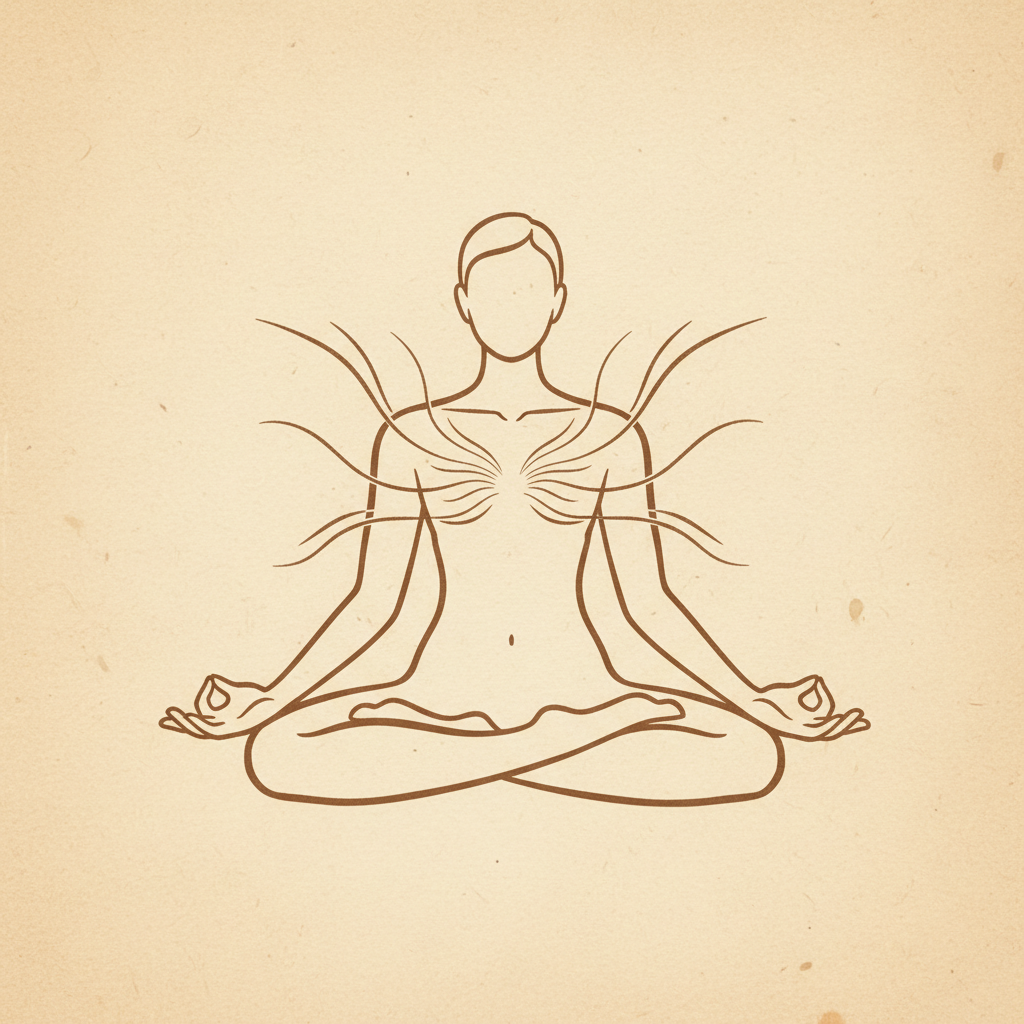
The Truth About Children and Meditation
Children already live naturally in the present. When they play absorbed, they are in a state that adults take years of practice to achieve. The challenge is not to teach them to meditate — it's not to destroy this natural capacity.
Techniques by Age
3-5 years old: - Stuffed animal breathing (lie down with a stuffed animal on their belly and watch it rise/fall) - Listening to sounds (eyes closed, count different sounds) - Duration: 2-3 minutes maximum

6-9 years old: - Counted breathing (inhale 3, exhale 3) - Mindful walking (walk slowly feeling each step) - Duration: 3-5 minutes
10-12 years old: - Observation of thoughts ("clouds passing in the sky") - Simplified body scan - Duration: 5-10 minutes
Golden Rules
- Never force — forced meditation is not meditation
- Never use as punishment — "go meditate" cannot become a punishment
- Practice together — children imitate. If you meditate, they will want to meditate
- Celebrate the effort, not the result — "how cool that you tried" matters more than "you were quiet"
What Vedānta Says
In the Vedic tradition, children begin with simple practices of devotion and attention. Formal meditation comes later, when the mind has the maturity for introspection. Don't rush the process.
The best "meditation" you can give a child is a safe environment, genuine presence, and permission to be themselves.
Want to study Vedanta in depth?
Join a Study Group →