
Documentaries about meditation on Netflix have popularized mindfulness in Brazil. Suddenly, everyone wants "full attention." But between watching a documentary and actually meditating, there is an abyss.
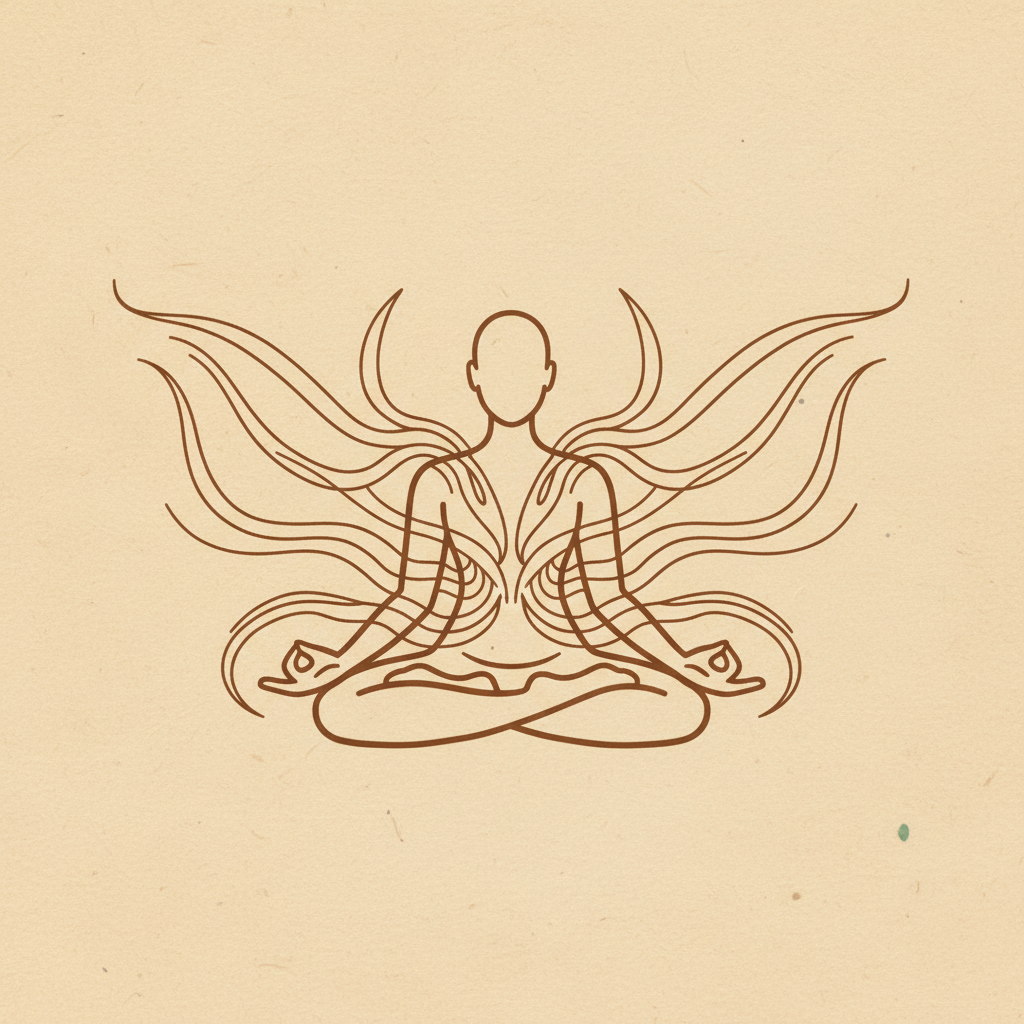
What Mindfulness (Really) Is
Mindfulness (full attention) is the practice of being present in the current moment, without judgment. It comes from the Buddhist tradition (sati) and was adapted for the West by Jon Kabat-Zinn in the 1970s.
In practice: you pay attention to your breath, to sounds, to bodily sensations — and when your mind wanders, you bring it back. Simple in theory. Challenging in practice.
For Beginners: How To Start
Choose a fixed time — morning is ideal Sit comfortably — chair or cushion, spine erect Start with 5 minutes — increase gradually Focus on your breath — feel the air entering and leaving When your mind wanders (and it will wander) — bring it back without judgment Don't evaluate — there is no "good" or "bad" meditation

What Netflix Doesn't Tell You
Documentaries show serene monks, illuminated brains on scanners, and promises of transformation. What they don't show:
It takes time — consistent results appear in weeks/months It's tedious sometimes — not every session is revealing It doesn't replace self-knowledge — calming the mind is preparation, not the destination
Mindfulness and Vedānta
In the Vedānta view, mindfulness is an excellent preparatory practice. But meditation in Vedānta goes further: it's not just "being present" — it's contemplating the nature of the self that is present.
Want to study Vedanta in depth?
Join a Study Group →