
Mindfulness is everywhere: apps, books, corporate workshops. But what is it, really?
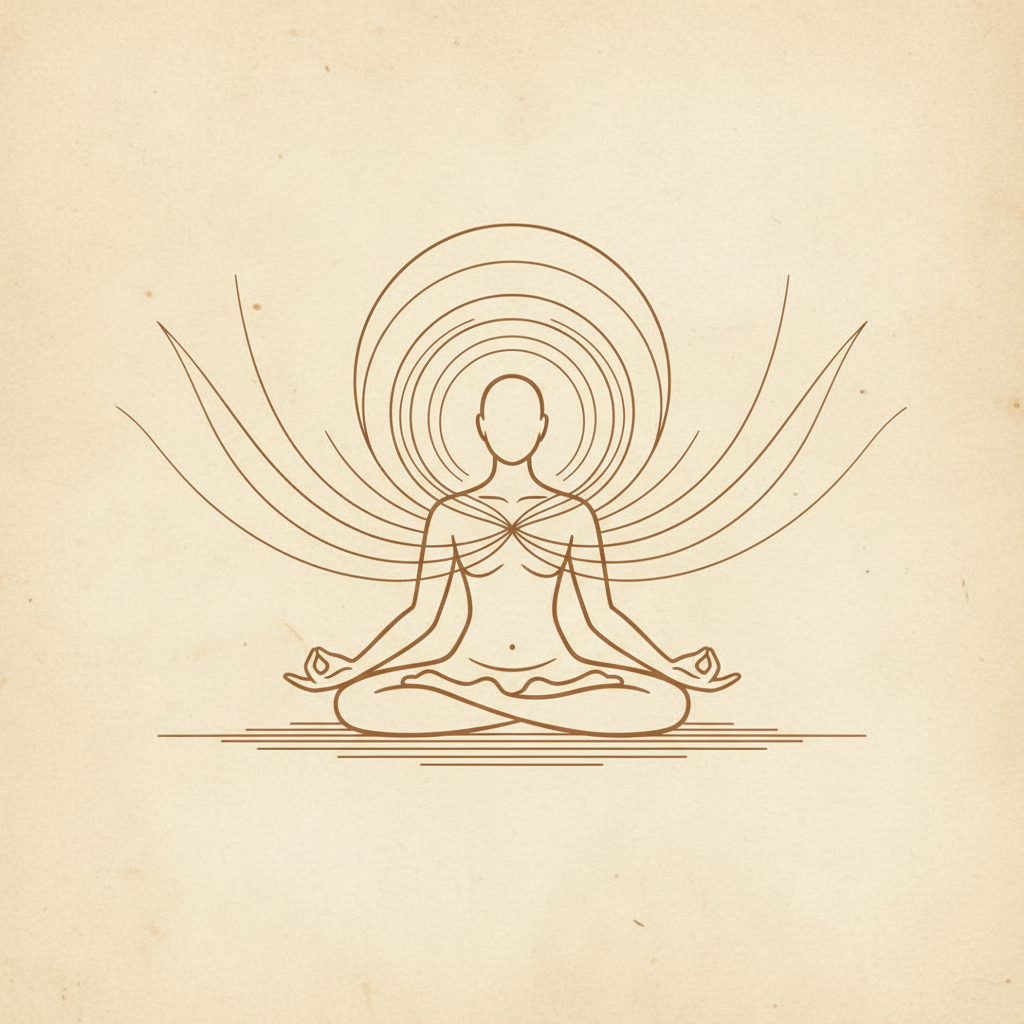
What Is Mindfulness
Mindfulness (full awareness) is the practice of being fully present in the current moment, observing thoughts, sensations, and emotions without judgment.
The concept comes from the Buddhist tradition (sati in pāli), but it was secularized by Dr. Jon Kabat-Zinn in the 1970s for therapeutic use.
How to Practice
* Choose a daily activity — eating, walking, washing dishes * Pay full attention — every sensation, every movement * When the mind wanders, gently bring it back — no scolding, no drama * Observe without judgment — "I am distracted" is observation. "I am terrible at this" is judgment.

Mindfulness vs. Traditional Meditation
Mindfulness is a slice of something bigger. In the Vedānta tradition, meditation (dhyānam) goes beyond full awareness:
* Mindfulness: being present, observing without judgment * Dhyānam (Vedānta): directed contemplation on the nature of being
Mindfulness calms the mind. Vedānta reveals who the owner of the mind is. They are complementary, not competing.
Proven Benefits
Mindfulness has the most robust scientific backing among meditative practices:
* Reduction of stress and anxiety * Improvement of focus and memory * Emotional regulation * Reduction of reactivity
Who Is It For?
Mindfulness is excellent as an entry point. If you've never meditated, start there. As your practice matures, consider exploring deeper approaches like Vedānta meditation.
Want to study Vedanta in depth?
Join a Study Group →