
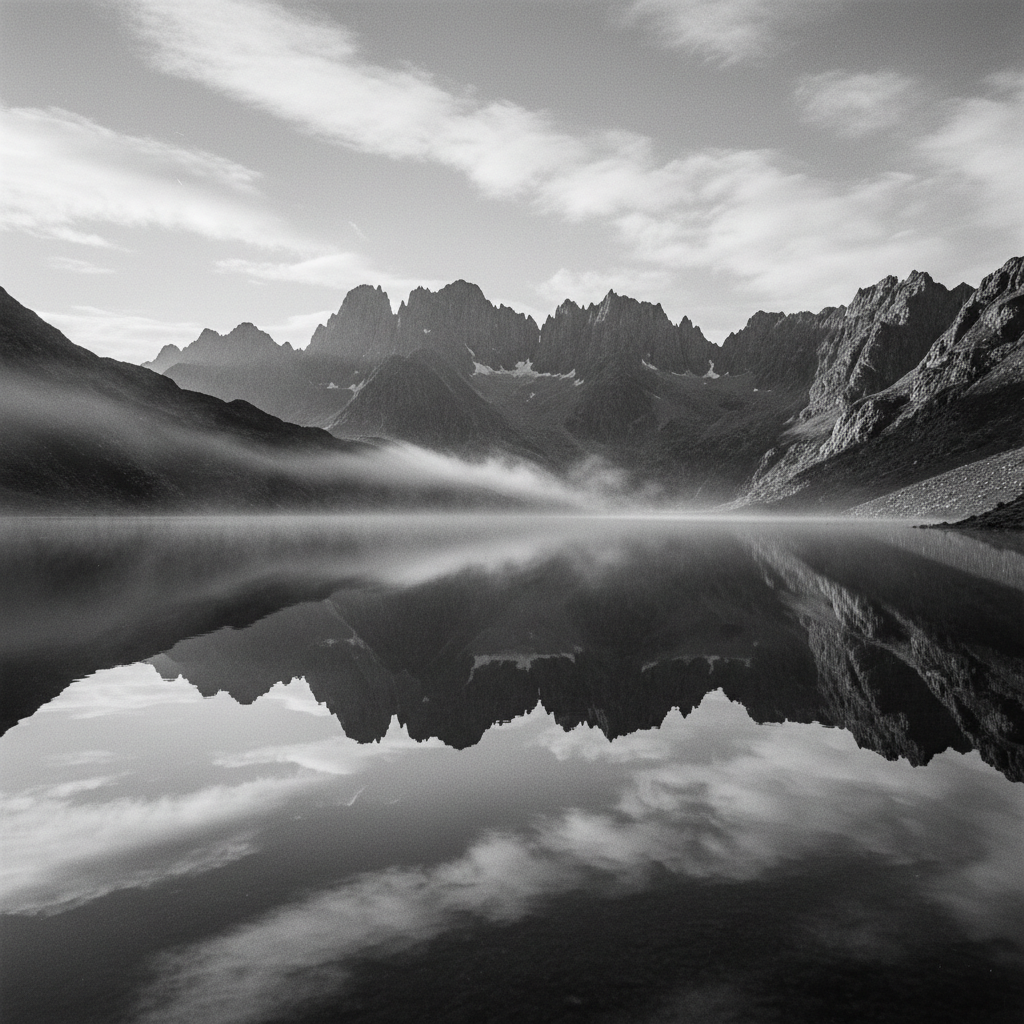
Have you ever tried meditating in a forest, on the beach, or on a mountaintop? The difference is palpable. The mind quiets faster, the body relaxes more easily. It's no coincidence.

Why Nature Helps
Nature offers what the city robs: (relative) silence, space, and an absence of artificial stimuli. The mind, without being bombarded by notifications, horns, and screens, naturally slows down.
Furthermore, nature is sāttvic. In the Vedic tradition, sattva is the quality of clarity and harmony. Natural environments promote sattva — while urban environments tend towards rajasic (agitation) and tamasic (inertia).
The Tradition Values Nature
The Upaniṣads were taught in āśramas — forest hermitages. Not for aesthetics, but for functionality. The forest (araṇya) was the ideal environment for study and contemplation.
The Kaṭha Upaniṣad, the Bṛhadāraṇyaka Upaniṣad — the very names indicate the connection with the forest (araṇya).
How to Practice
Find an accessible natural place — a park, a square with trees, a quiet beach Sit comfortably — no elaborate posture is needed Start by noticing the sounds of nature — wind, birds, water Let the sounds be the object of attention — without analyzing, just listen Gradually, notice who is listening. The consciousness that perceives the sounds. Remain in this recognition
A Caveat
Nature helps, but it is not necessary. True meditation can happen anywhere — because what you contemplate (ātman) is where you are. If it depended on the environment, meditation would be spiritual tourism.
Use nature when possible. But don't depend on it.
Want to study Vedanta in depth?
Join a Study Group →