
A mantra is not a motivational phrase you repeat until you believe it. It is a sophisticated tool, developed over millennia of tradition, to direct and quiet the mind.
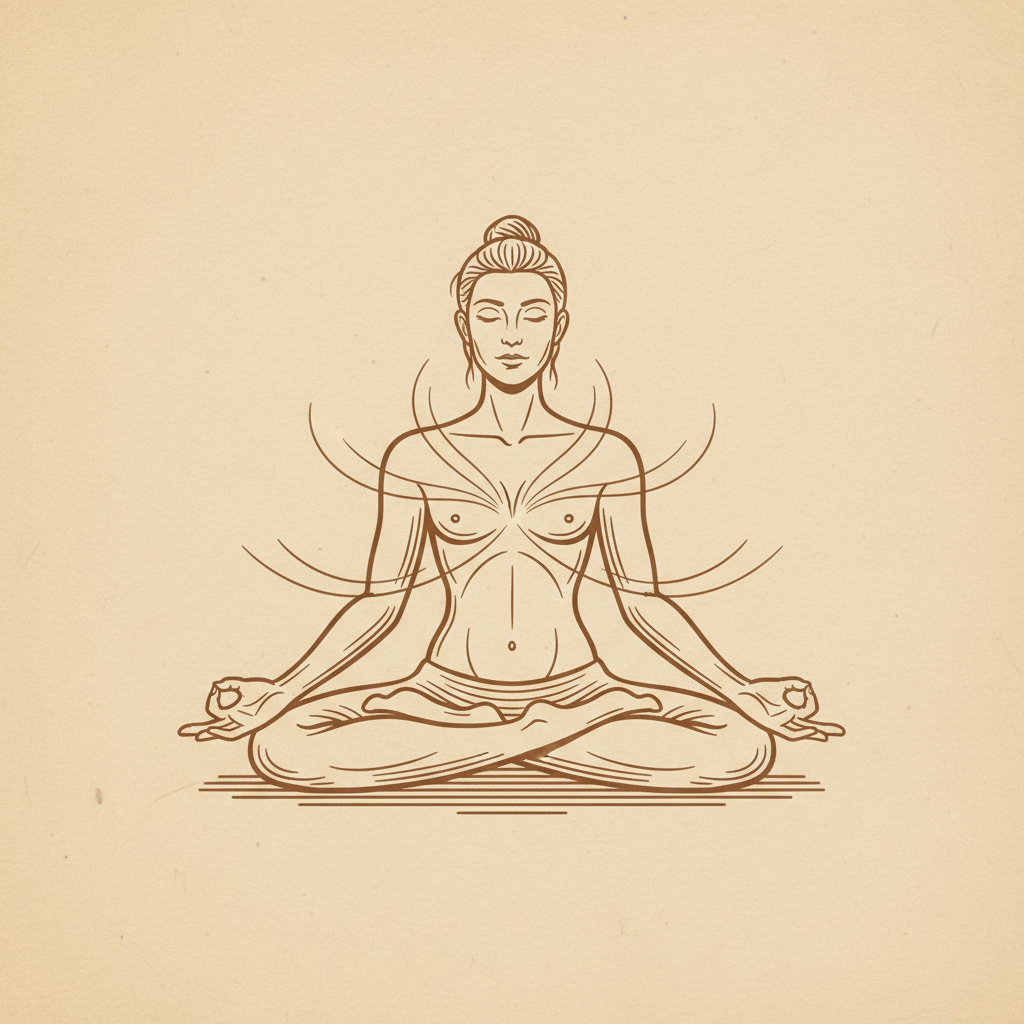
What is a Mantra
Mantra comes from "man" (mind) + "tra" (instrument/protection). Literally: instrument of the mind, or that which protects the mind.
In practice, it is a sound or phrase that you repeat mentally or verbally during meditation. The sound occupies the mind, preventing it from dispersing into random thoughts.
Om — The Fundamental Mantra
Om (or Auṃ) is not a random sound. It is considered the primordial sound — the fundamental vibration from which all manifestation arises.

In Om meditation: 1. Sit comfortably — spine erect 2. Breathe deeply 3. As you exhale, chant "Ommm" — prolonging the sound 4. Feel the vibration — in your chest, throat, head 5. Repeat — for 10-15 minutes
Silent vs. Vocal Mantra
Vocal (japa): for beginners. The physical sound anchors the attention. Whispered (upāṃśu): intermediate. Less external, more subtle. Mental (mānasa): advanced. Purely mental repetition. More powerful.
In the Vedānta Tradition
In Vedānta, mantras are not just sounds — many carry meaning. "Aham Brahmāsmi" (I am Brahman) is not a positive affirmation. It is a declaration of truth that, when understood, liberates.
The most effective mantra is one received from a qualified teacher, suited to your nature and moment. But starting with Om is always appropriate.
Learn more about meditation and incorporate mantras into your practice.
Want to study Vedanta in depth?
Join a Study Group →