
Osho. Few names in modern spirituality evoke such a reaction. Genius or charlatan? The answer, as always, lies in discernment.
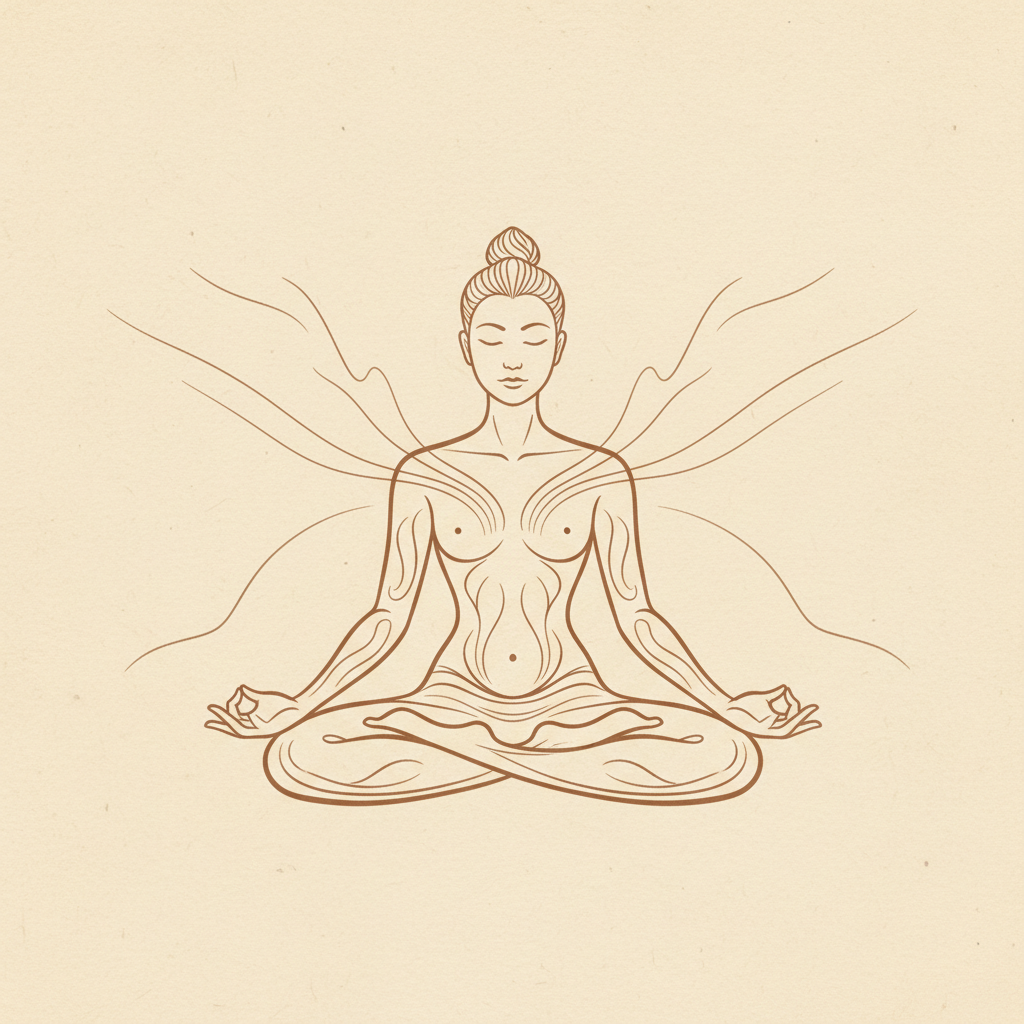
Osho's Meditations
Osho created active meditations like Dynamic (chaotic breathing, catharsis, silence) and Kundalini (shaking, dancing, silence). The idea is that modern people are so agitated that they first need to release this agitation to then find silence.
Does it make sense? Yes. If the mind is extremely agitated, an initial discharge practice can help. It's like running before sitting — the body quiets down, and the mind follows.
What Works
Osho's active meditations can be useful as preparation. If a person is so tense that they can't sit still for 5 minutes, a practice that channels this tension can be the first step.

Furthermore, Osho was an extraordinary communicator. Many of his talks on consciousness, presence, and disidentification are accurate and can inspire sincere seekers.
What Doesn't Work
The problem is that Osho doesn't offer a systematic method for self-knowledge. His meditations are experiential — you feel something, you vibrate, you have catharsis. But experience is not knowledge.
You can have the most intense catharsis of your life and still not know who you are. The emotion passes. Ignorance remains.
Vedānta's Perspective
Vedānta respects any practice that helps calm the mind. But it is clear about one thing: no experience liberates. Only knowledge liberates.
If Osho's meditations help you become quieter, use them as preparation. Afterward, seek the knowledge that definitively resolves.
Want to study Vedanta in depth?
Join a Study Group →