Pranayama is not a "breathing exercise." The word comes from prana (life force) + ayama (expansion). It is the expansion of life force through conscious control of the breath.
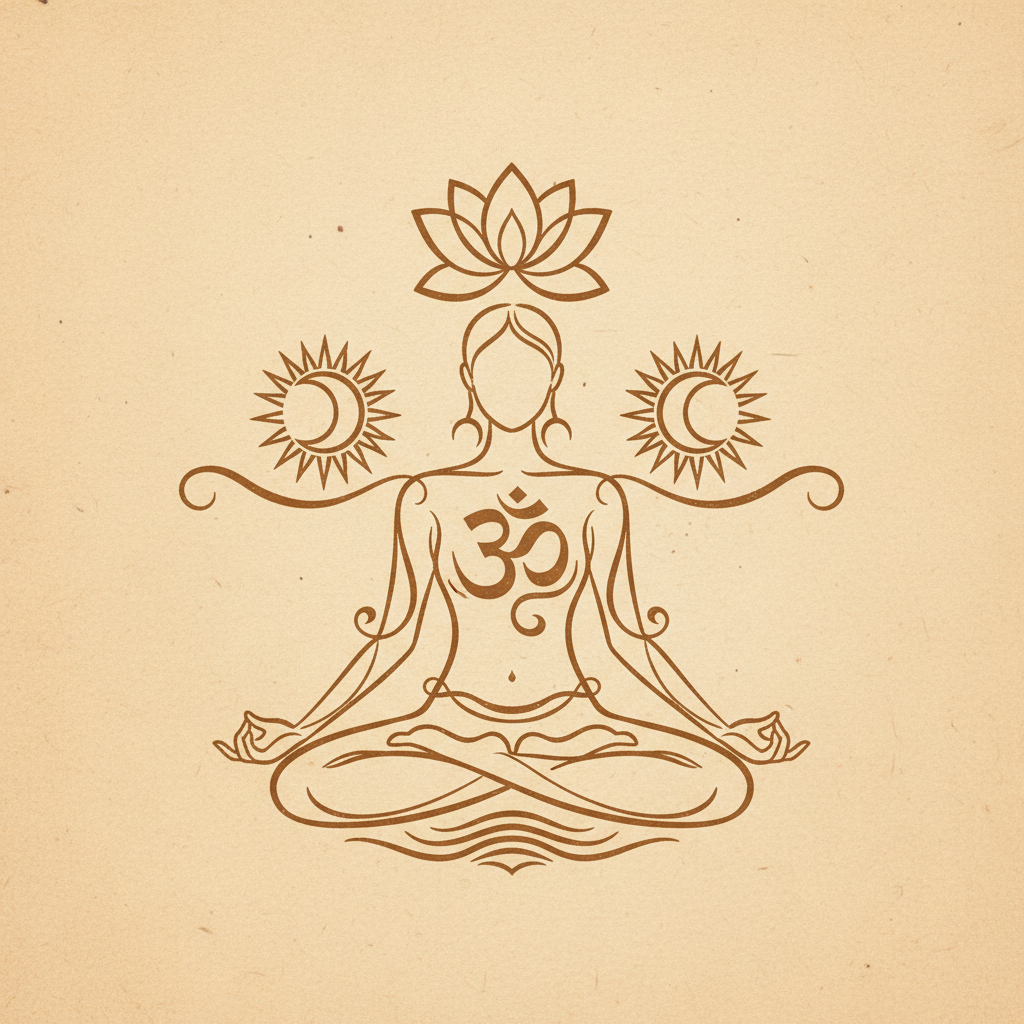
What is Prana
In the Vedic tradition, prana is more than air. It is the vital force that animates the body and mind. When prana flows well, there is health and clarity. When it is blocked or imbalanced, there is illness and agitation.
Pranayama regulates this flow — and, through it, regulates the mind.
Fundamental Techniques
Nadi Sodhana (Alternate Nostril Breathing) Inhale through the left nostril, exhale through the right. Inhale through the right, exhale through the left. Balances the cerebral hemispheres.
Kapalabhati (Skull Shining Breath) Rapid, forceful exhalations through the nose, passive inhalation. Energizes and cleanses.
Bhramari (Bee Breath) Exhale with closed lips making an "hmmm" sound. The vibration deeply calms the nervous system.
Ujjayi (Victorious Breath) Slight constriction in the throat while breathing, creating a soft sound. Increases focus and warms the body.
Pranayama and Meditation
Pranayama is the fourth limb of Patanjali's Yoga — it comes before meditation. This is no coincidence: an agitated mind does not meditate. Pranayama calms the mind through the breath, preparing the ground.
Important Precautions
- Learn from a teacher — advanced techniques done incorrectly can cause problems
- Do not force — pranayama is not a competition; respect your limits
- Empty stomach — practice at least 2 hours after a meal
- Gradual progression — start with simple techniques and advance slowly
Pranayama is a precise science. Treated with respect, it transforms. Treated carelessly, it harms.
Want to study Vedanta in depth?
Join a Study Group →