
Loneliness and solitude—they sound similar, but they are opposites. Loneliness is suffering from being alone. Solitude is enjoying your own company. The difference lies in who you find when you are alone.
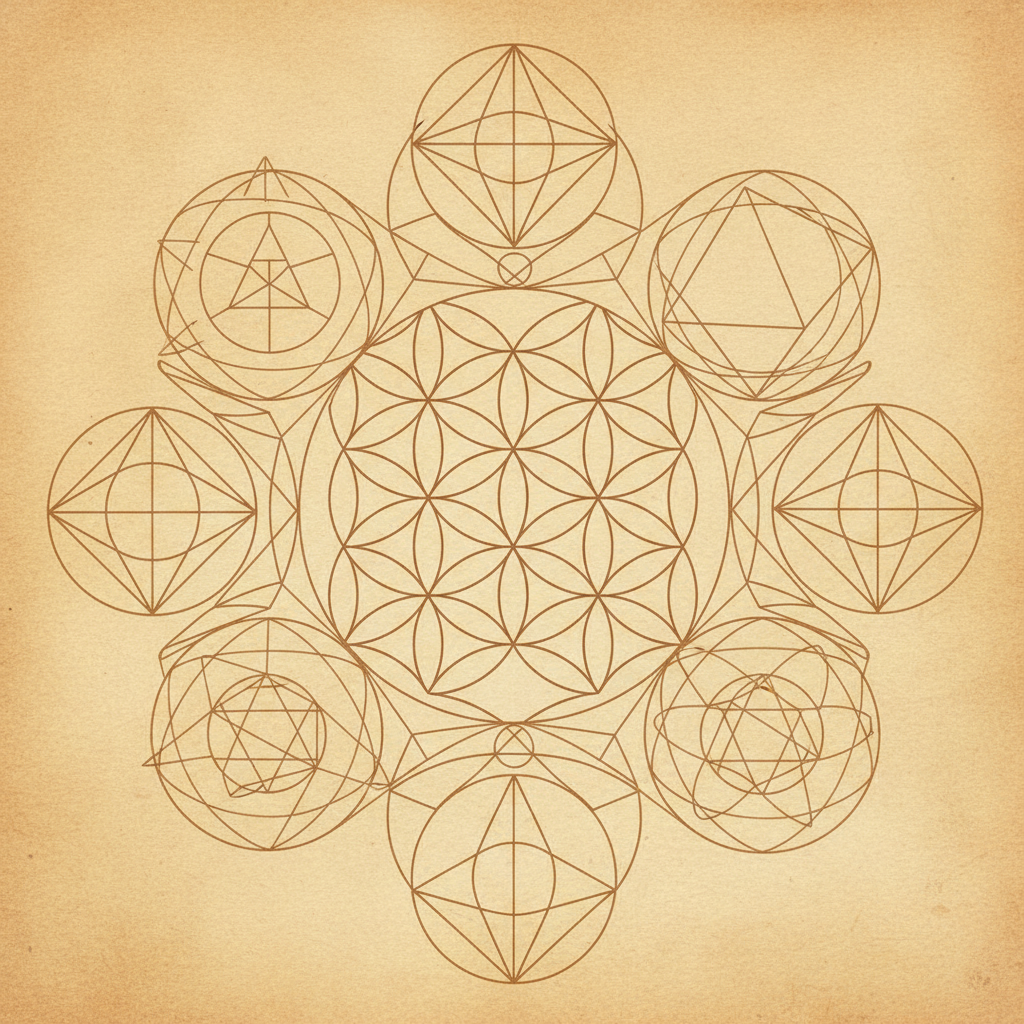
Loneliness vs. Solitude
| Loneliness | Solitude | |---------|----------| | Pain of being alone | Peace in being with oneself | | Escape from oneself | Encounter with oneself | | Lack of the other | Completeness in oneself | | Reactive | Chosen |
The lonely one says: "I need someone to be okay." The one in solitude says: "I am okay—and because of that, I can be with someone in a healthy way."
Why We Feel Lonely
Loneliness arises from a fundamental confusion: the belief that you are incomplete and need the other to complete you. This belief turns relationships into crutches and their absence into torture.
Vedanta diagnoses: the problem isn't being alone—it's not knowing who the one who is alone truly is.

Vedanta's View
In the Vedic tradition, loneliness is impossible—because you are never separate from the totality. The consciousness that you are (ātman) is the same consciousness that permeates everything (Brahman). Separation is an illusion.
This isn't positive thinking. It's a rigorous investigation into the nature of reality. When assimilated, one discovers that they were never alone—and never can be.
Practices to Transform Loneliness into Solitude
- Daily meditation—meet yourself before seeking the other
- Voluntary silence—learn to enjoy your own company
- Study of Vedanta—understand who the one feeling lonely is
- Service (seva)—step outside yourself by helping others
The cure for loneliness is not companionship. It is self-knowledge.
Want to study Vedanta in depth?
Join a Study Group →