
Why can't I study Vedanta alone? Because the object of knowledge is yourself — and ignorance about yourself cannot be resolved by self-investigation without a method.
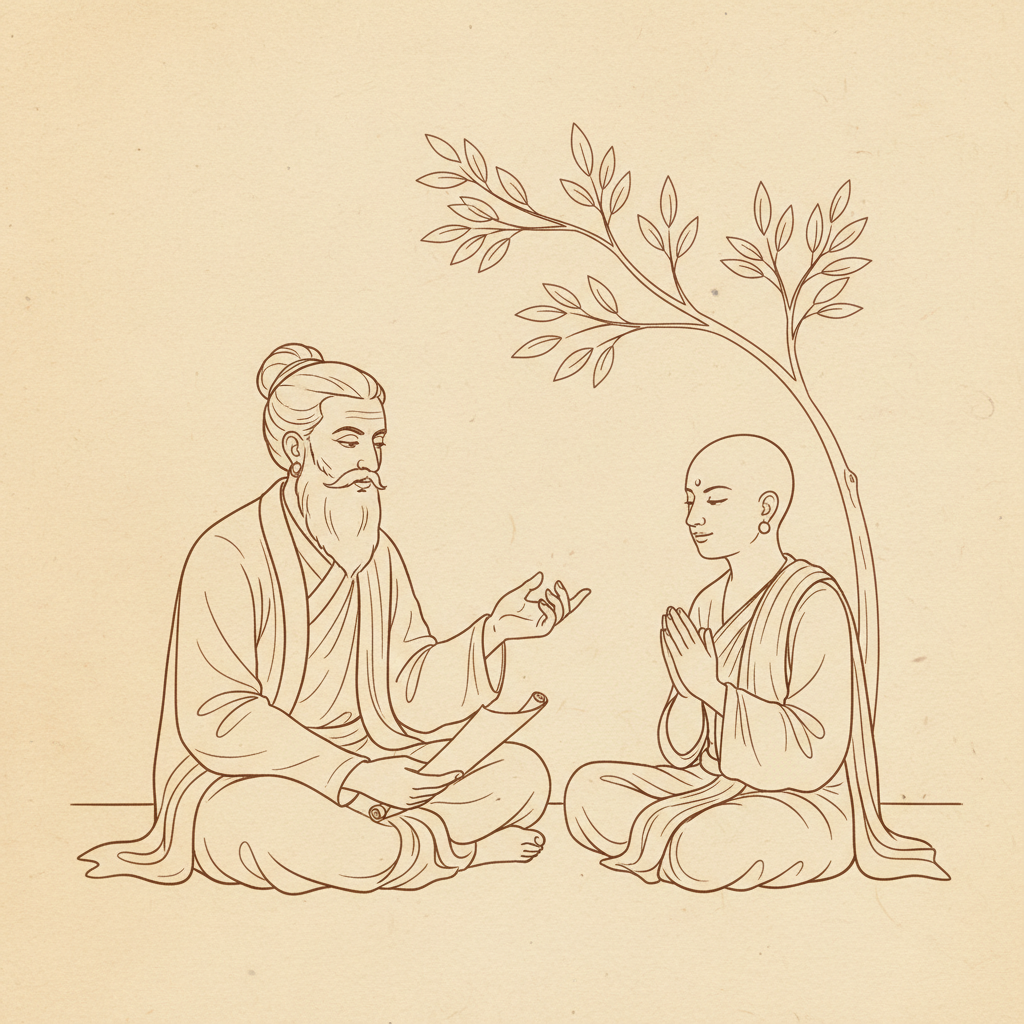
The Self-Taught Problem
Imagine trying to diagnose your own illness without medical training. You might get it right — but you'll probably get it wrong. Self-knowledge is similar: the mind that needs to be investigated cannot investigate itself without help.
The guru is not an intermediary between you and the truth. They are a qualified teacher who uses a method tested for thousands of years to remove the confusion you cannot remove on your own.
What a Guru Is
- Dispels ignorance about the nature of the self
- Uses scripture (śāstra) as a means of knowledge
- Follows the tradition (sampradāya) — doesn't invent
- Adapts the teaching to the student without distorting the content
- Lives the knowledge — and is living proof of what they teach
What a Guru Is Not
- Not a supernatural being
- Not an intermediary of God
- Not infallible in everything
- Does not demand blind obedience
- Does not demand personal devotion
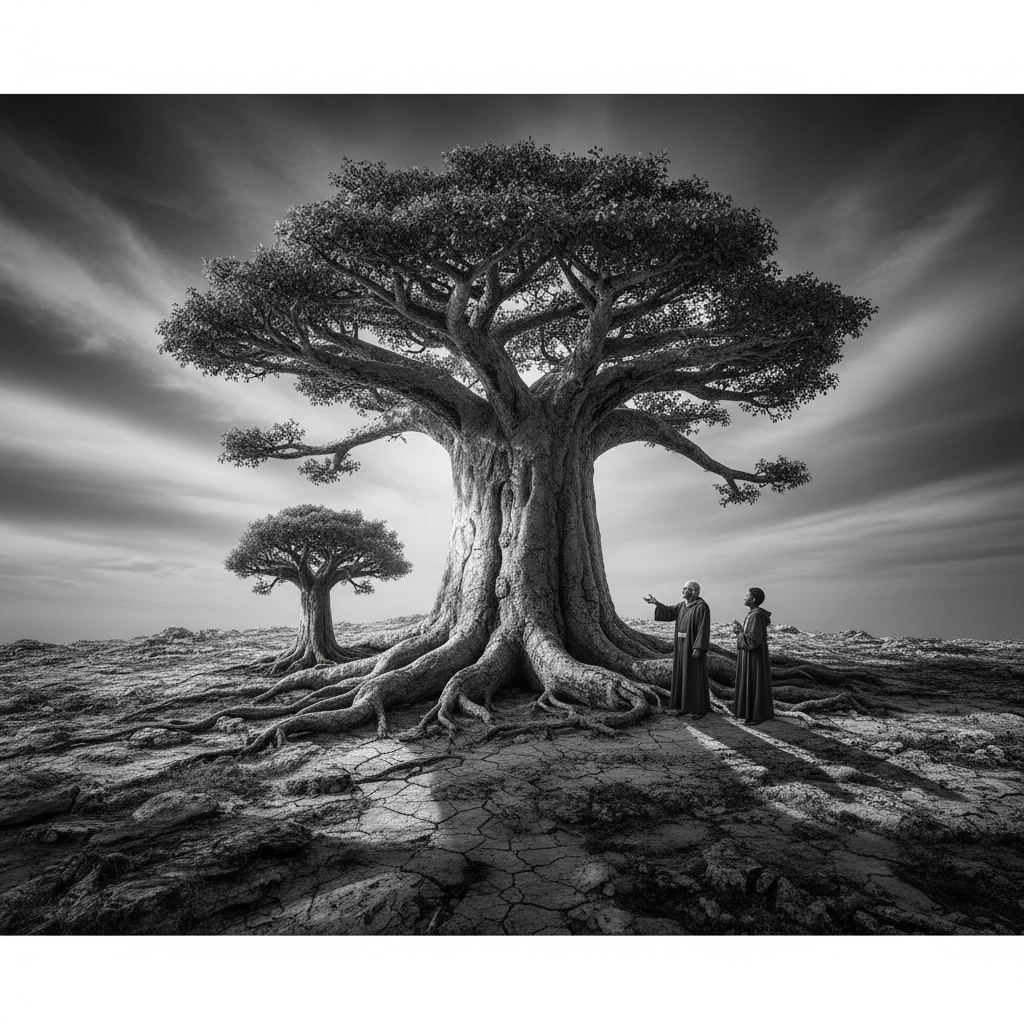
The Lineage (Sampradāya)
The guru does not teach their opinion. They teach what they received from their guru, who received it from the previous guru — in an unbroken chain going back to Śaṅkarācārya (8th century) and, traditionally, to Īśvara himself.
The lineage guarantees fidelity. The teaching arrives intact — not because the gurus are perfect, but because the method is self-correcting.
How to Find a Guru
- Check the lineage — from whom did they learn?
- Observe their life — do they live what they teach?
- Study with them — is the knowledge clear?
- Question — a good guru welcomes doubts
The right guru appears when the student is ready. But 'being ready' includes seeking.
Want to study Vedanta in depth?
Join a Study Group →