
Meditation for anxiety and stress works — but not in the way most people imagine. It's not about 'stopping thoughts.' It's about changing your relationship with thoughts.
Anxiety and stress arise from a distorted perception: the idea that you are inadequate, that something is missing, that the future is threatening. Meditation doesn't remove problems — it removes confusion about who faces them.
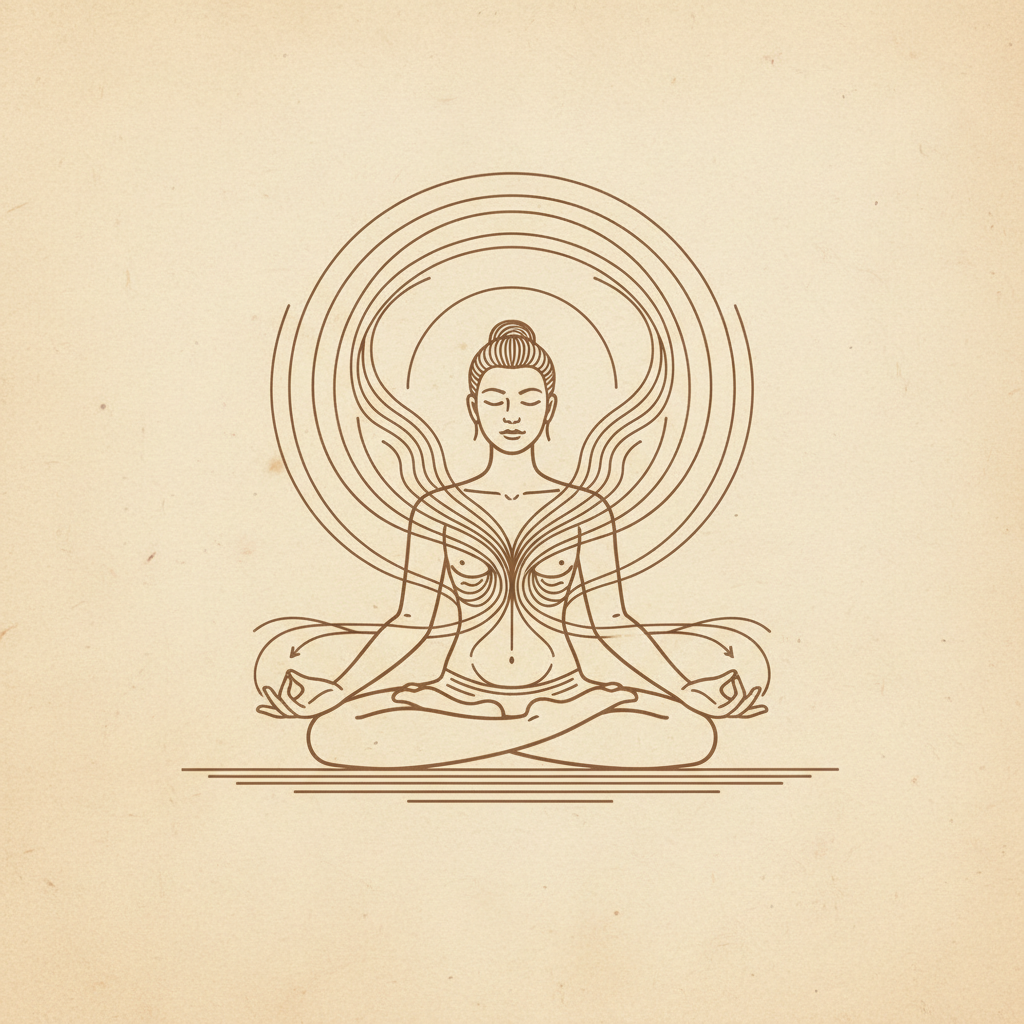
Why Meditation Helps with Anxiety
When you sit and observe your thoughts without reacting, something happens: you realize that you are not your thoughts. They come and go. You remain.
This simple realization — I am not my anxiety — is the beginning of all transformation. In the Vedic tradition, this is called sakshi bhava (witness attitude).
Practical Technique
- Sit comfortably with your spine erect
- Close your eyes and observe your natural breath
- When an anxious thought arises, just observe — don't fight it
- Gently return your attention to the breath
- Practice for 10-15 minutes daily

What Vedanta Teaches About Anxiety
Anxiety is fundamentally an issue of identity. You confuse yourself with the body, the mind, social roles — and all of these are vulnerable. Vedanta reveals that your true nature (ātman) is pūrṇa — complete, without lack.
Meditation prepares the mind to receive this knowledge. A restless mind cannot contemplate. A calm mind can.
Start Today
Don't wait until you're calm to meditate. Meditate precisely because you are anxious. The practice is the remedy — not the reward.
Want to study Vedanta in depth?
Join a Study Group →