
Reiki and meditation are distinct practices that are often confused. Let's clarify: Reiki is an energy channeling technique; meditation is sustained attention. They can complement each other, but they are not the same thing.
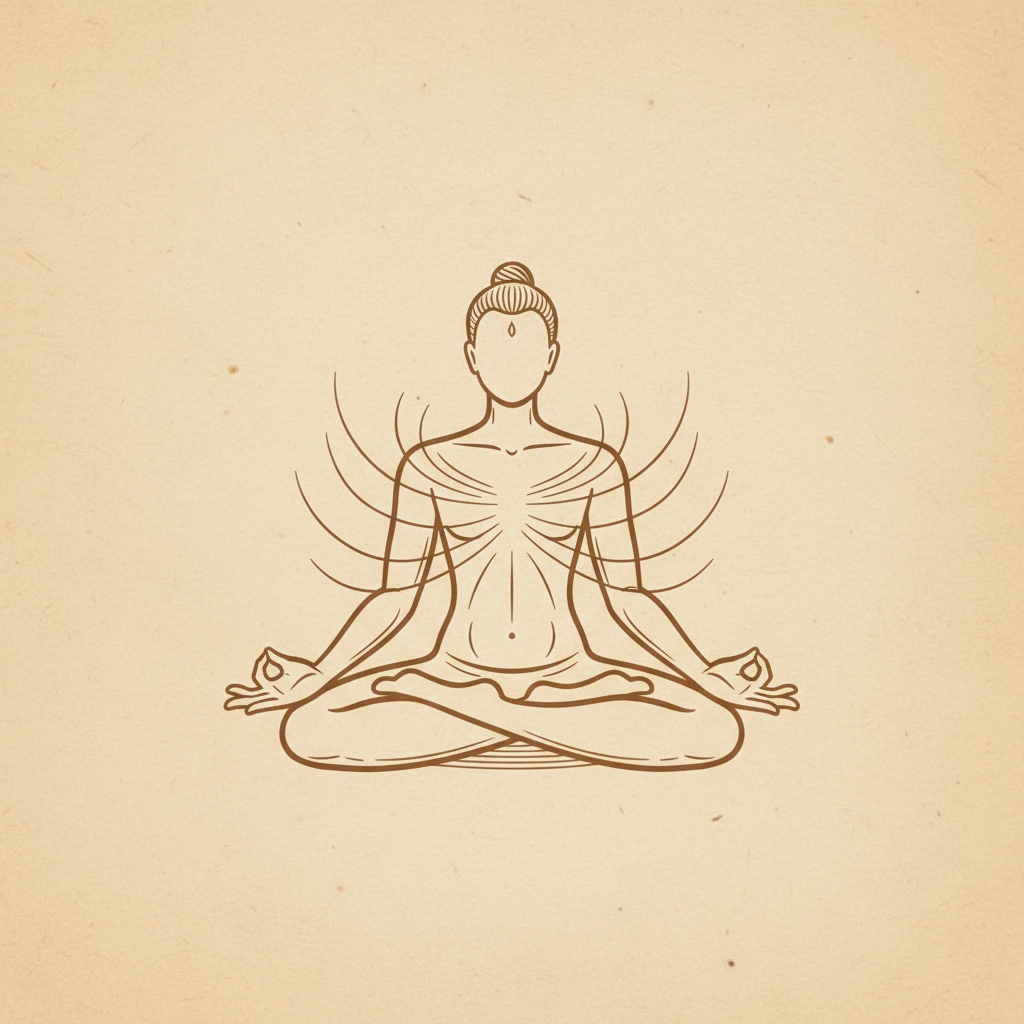
What is Reiki
Reiki is a Japanese practice created by Mikao Usui in the early 20th century. The word combines rei (universal) and ki (vital energy). The practitioner channels energy through their hands to promote physical and emotional balance.
What is Meditation
In the Vedic tradition, meditation (dhyāna) is the uninterrupted sustainment of attention on an object. It does not involve channeling energy, laying on of hands, or external rituals. It is an internal process of self-knowledge.
Where They Meet
Both practices share: - Silence and introspection - Deep relaxation - Attention to the present moment - Effects on the nervous system

The Vedanta Perspective
Vedanta does not invalidate practices like Reiki—but it makes an important distinction. Techniques that rely on experiences (altered states, sensations of energy) are temporary. Self-knowledge (ātma-jñāna) is permanent.
If Reiki helps you relax, that's great. But don't confuse relaxation with liberation. The peace you seek is not in a technique—it is in who you already are.
Combined Practice
If you practice Reiki and want to deepen it with Vedic meditation: 1. Use Reiki as preparation—it calms the body and mind 2. After the Reiki session, sit in meditative silence 3. Observe: who is the one perceiving the energy? This observer is you.
Want to study Vedanta in depth?
Join a Study Group →