
Among the paths of yoga, jñāna yoga is the most direct and the most misunderstood. It is not about accumulating information. It is the understanding that dissolves fundamental ignorance about who you are.
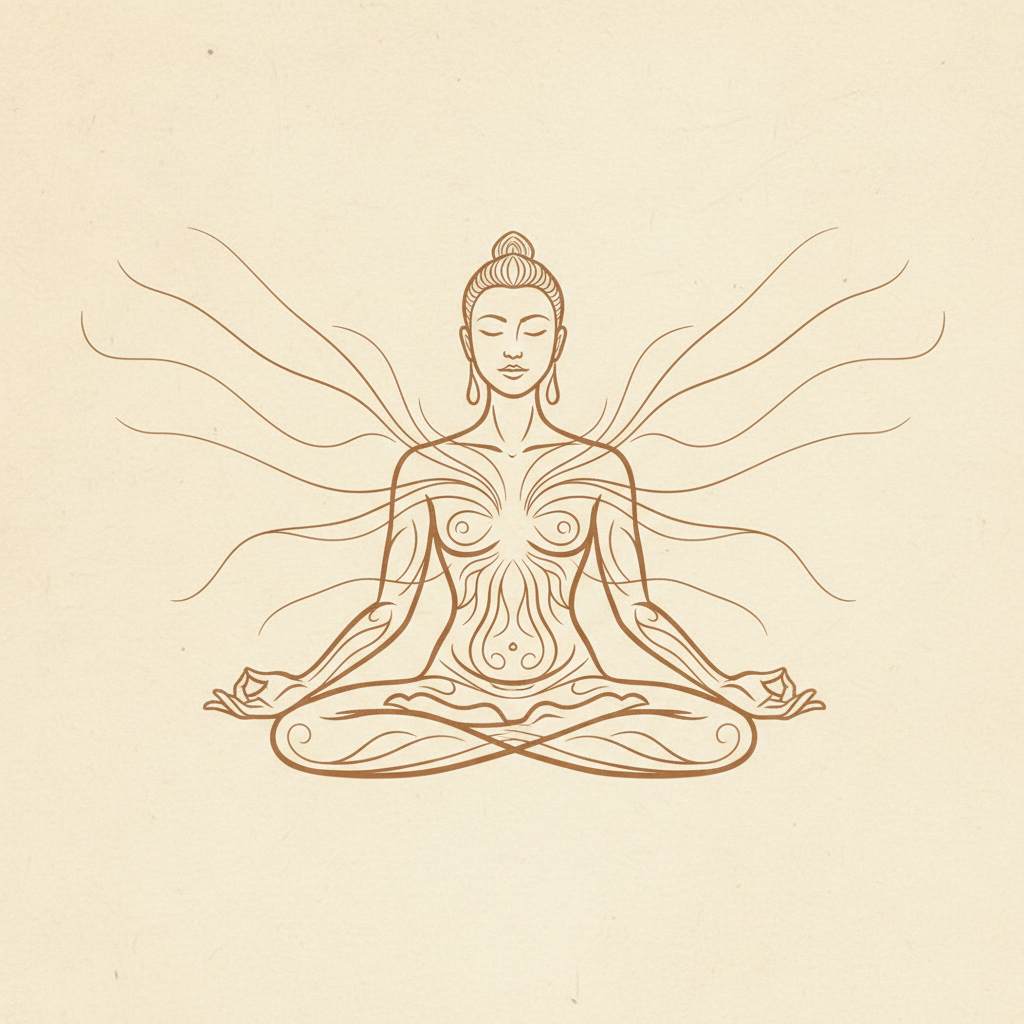
What is Jñāna Yoga
Jñāna means knowledge. But not just any knowledge — it is ātma-jñāna, the knowledge of the self. It is knowing, clearly and irreversibly, that you are ātman — unlimited consciousness, free from birth and death.
In the Bhagavad Gītā, Kṛṣṇa presents three yogas: karma, bhakti, and jñāna. But he makes an important distinction: karma yoga and bhakti yoga prepare the mind. Jñāna yoga liberates.
How it Works
The method of jñāna yoga is the study of Vedānta with a qualified teacher. Three stages:

Śravaṇa (listening): Systematically hearing the teaching. The teacher uses the texts (Upaniṣads, Gītā, Brahma Sūtra) to reveal the nature of the self.
Manana (reflection): Raising and resolving all doubts. If something remains unclear, ask. Think. Debate internally until the understanding is clear.
Nididhyāsana (assimilation): Integrating the knowledge. It is not a practice — it is allowing the understanding to become as natural as knowing your own name.
What Jñāna Yoga is NOT
It is not cold intellectualism It is not solitary reading of books It is not academic philosophy It is not the opposite of bhakti (devotion)
Jñāna yoga includes bhakti. The serious student of Vedānta is devoted — because they understand Īśvara. And they are a practitioner of karma yoga — because they know the mind needs maturity.
Who is it For
For anyone who has: - Viveka — discernment between the permanent and the temporary - Vairāgya — dispassion towards superficial solutions - Mumukṣutva — genuine desire for freedom
If this describes you, jñāna yoga is your path.
Want to study Vedanta in depth?
Join a Study Group →