
How to Meditate is a topic that deserves attention — not superficial, but with the depth that Vedanta offers.
Understanding the topic
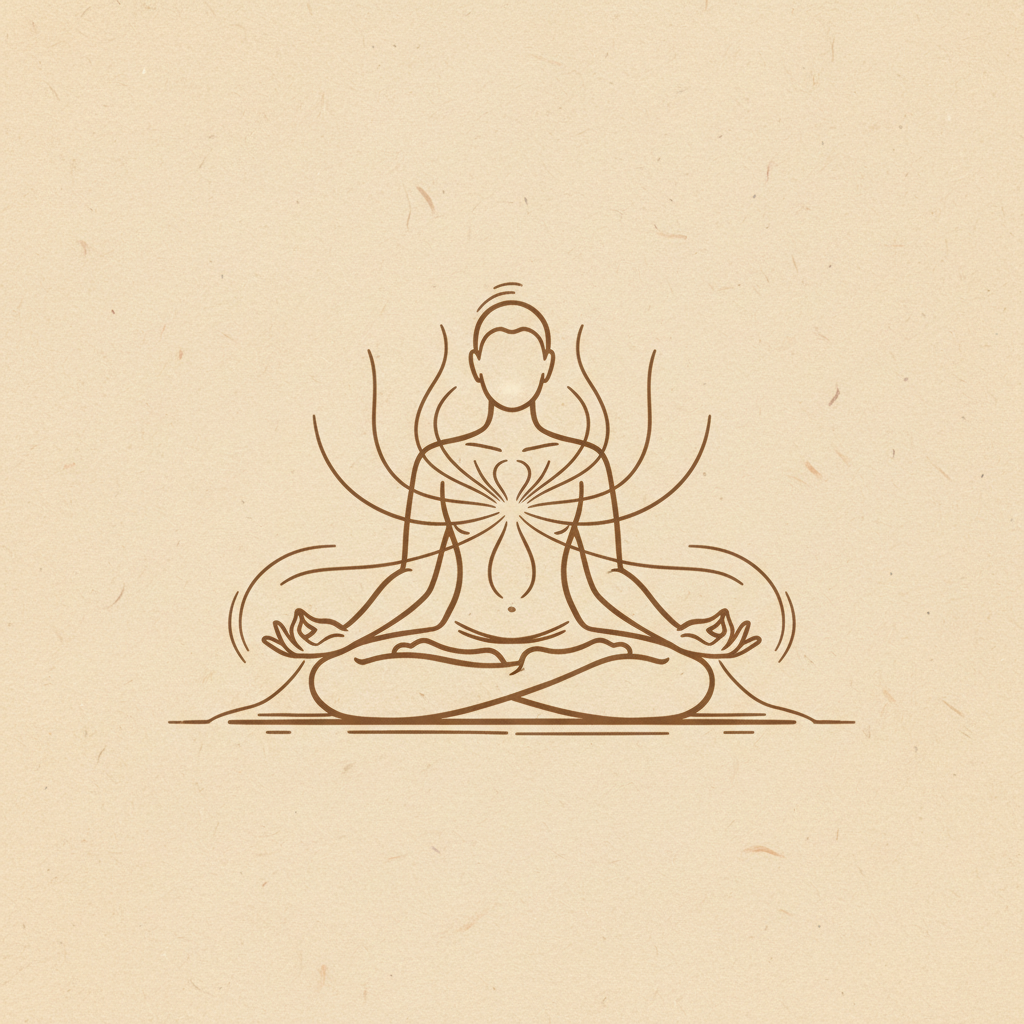
Meditation, in the Vedic tradition, is dhyāna — the uninterrupted sustenance of attention. It's not a relaxation technique (though it relaxes), it's not therapy (though it heals), it's not an escape from the world (though it brings peace).
What most people call meditation is, in fact, dhāraṇā — concentration. True meditation happens when concentration flows effortlessly. And this requires preparation: a stable body, regulated breathing, an ethical mind.
In practice, start with the basics: 1. Sit comfortably 2. Observe your breath without controlling it 3. When your mind wanders, return — without judgment 4. Practice daily, even if only for a few minutes

The Vedantic perspective
Vedanta offers a unique view on this topic: the problem is never external — it's always about who you think you are. When there is clarity about one's own nature, the relationship with any topic changes radically.
You are not what you think you are. You are the consciousness that thinks. This simple distinction changes everything.
Next step
If this topic has piqued your interest, explore Vishva Vidyā's resources. Vedantic self-knowledge is not theory — it is the most practical of all knowledge, because it changes who you are in relation to everything else.
Want to study Vedanta in depth?
Join a Study Group →