
True relaxation isn't watching TV, scrolling on your phone, or "doing nothing." It's an active state of presence where body and mind release accumulated tension.
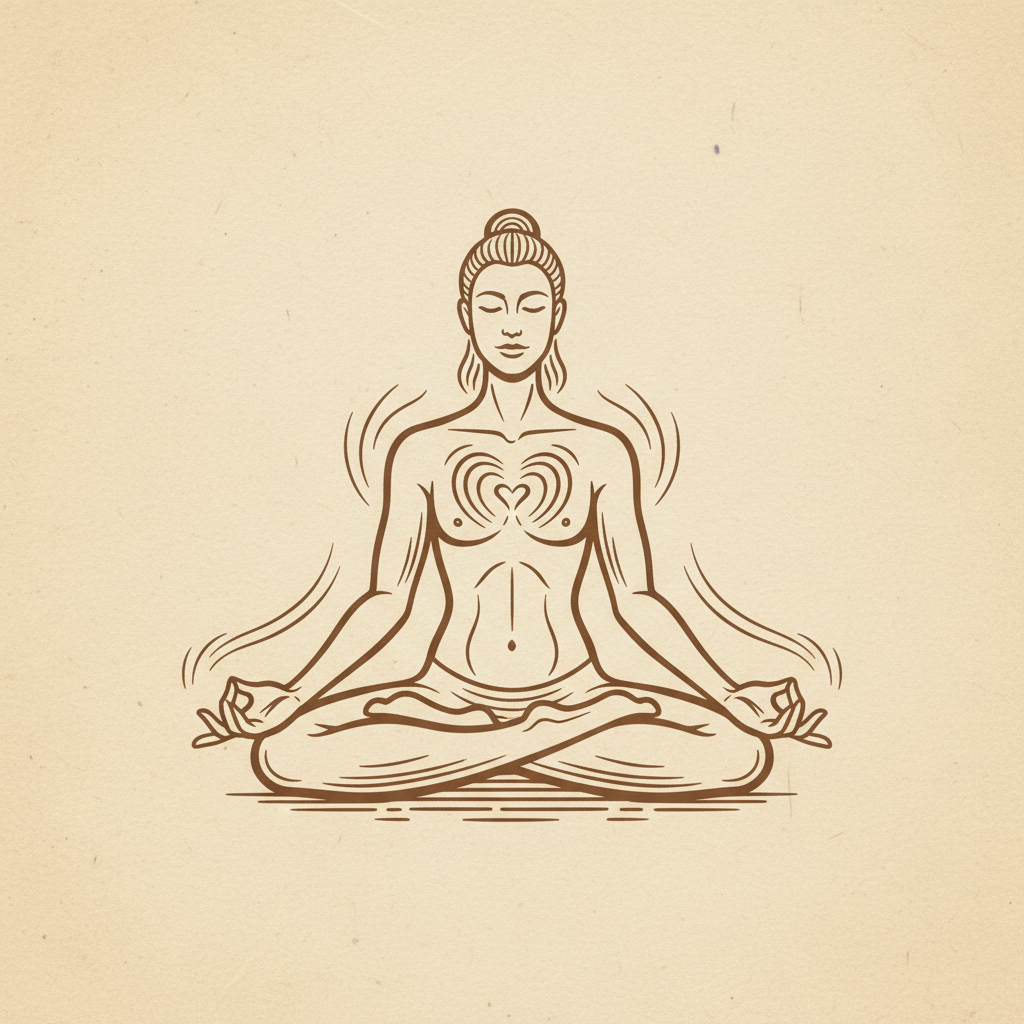
Progressive Relaxation Technique
This is one of the most effective and simple practices:
- Lie down comfortably (in *savasana* position)
- Start with your feet — tense for 5 seconds, then release
- Move up to your calves, thighs, abdomen, chest, arms, face
- For each part: tense, hold, release. Feel the difference.
- At the end, remain for 5 minutes just observing your relaxed body
Why it works
The body carries stress in the form of muscle tension. You might not even realize your shoulders are locked or your jaw is clenched. Progressive relaxation makes conscious what was unconscious — and by making it conscious, you can release it.
Meditation and Relaxation — What's the Difference?
Relaxation is releasing tension from the body and mind. Meditation is sustaining attention on an object.
They are complementary practices: relaxation prepares for meditation, and meditation deepens relaxation. In the Vedic tradition, savasana (relaxation) comes before dhyāna (meditation).
Incorporate into your Routine
Don't wait until you're tense to relax. Prevent it. 10 minutes of conscious relaxation per day significantly reduce chronic stress levels. It's something anyone can do, anywhere.
Want to study Vedanta in depth?
Join a Study Group →