
Chakras on the internet have become a show of colors, crystals, and magical promises. But in the original tradition, the subject is much more sober — and more interesting.
What Are Chakras
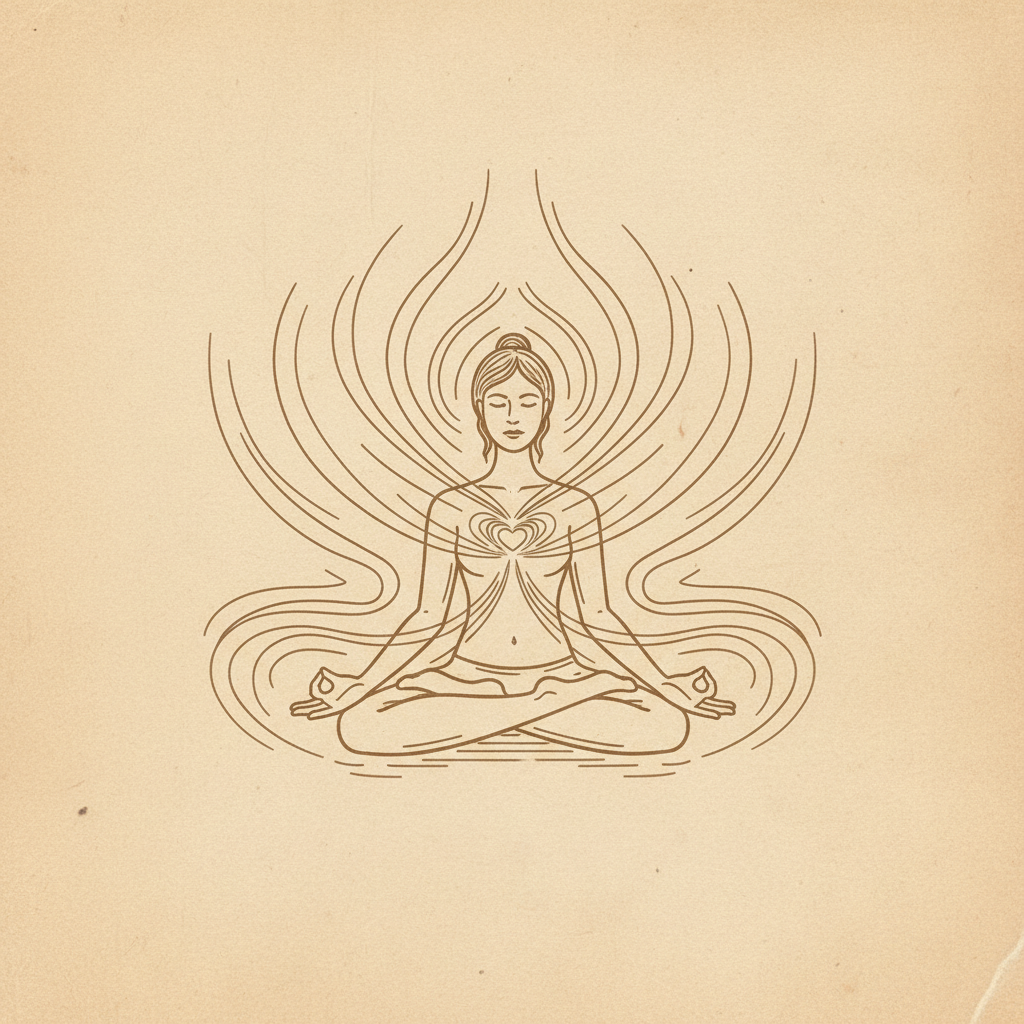
Chakras are energy centers in the subtle body (sūkṣma-śarīra). They are not physical organs — they don't show up on X-rays. They are maps from the yogic tradition to describe how vital energy (prāṇa) is organized in the body.
The seven main ones: 1. Mūlādhāra — base of the spine 2. Svādhiṣṭhāna — below the navel 3. Maṇipūra — solar plexus 4. Anāhata — center of the chest 5. Viśuddha — throat 6. Ājñā — between the eyebrows 7. Sahasrāra — top of the head
Meditation and Chakras
In traditional practice, meditation on the chakras involves: - Directed attention to each center, from bottom to top - Use of specific mantras (bīja mantras) for each chakra - Subtle visualization — not the vibrant colors of Instagram - Directed breathing (prāṇāyāma)

What Tradition Says vs. The Internet
The internet promises to "open chakras" with crystals, music, and 5-minute meditations. Tradition says that working with chakras requires serious preparation, guidance from a qualified teacher, and years of practice.
Vedānta's View
Vedānta does not deny chakras, but it also doesn't place them at the center. The goal of Vedānta is ātma-jñānam — knowledge of the Self. Practices with chakras can prepare the mind and body for this knowledge, but they are not the knowledge itself.
If you want to explore chakras, do so with proper guidance and don't fall for easy promises. Start with basic meditation first.
Want to study Vedanta in depth?
Join a Study Group →